We use cookies to make your experience better. To comply with the new e-Privacy directive, we need to ask for your consent to set the cookies. Learn more.





Care & Maintenance

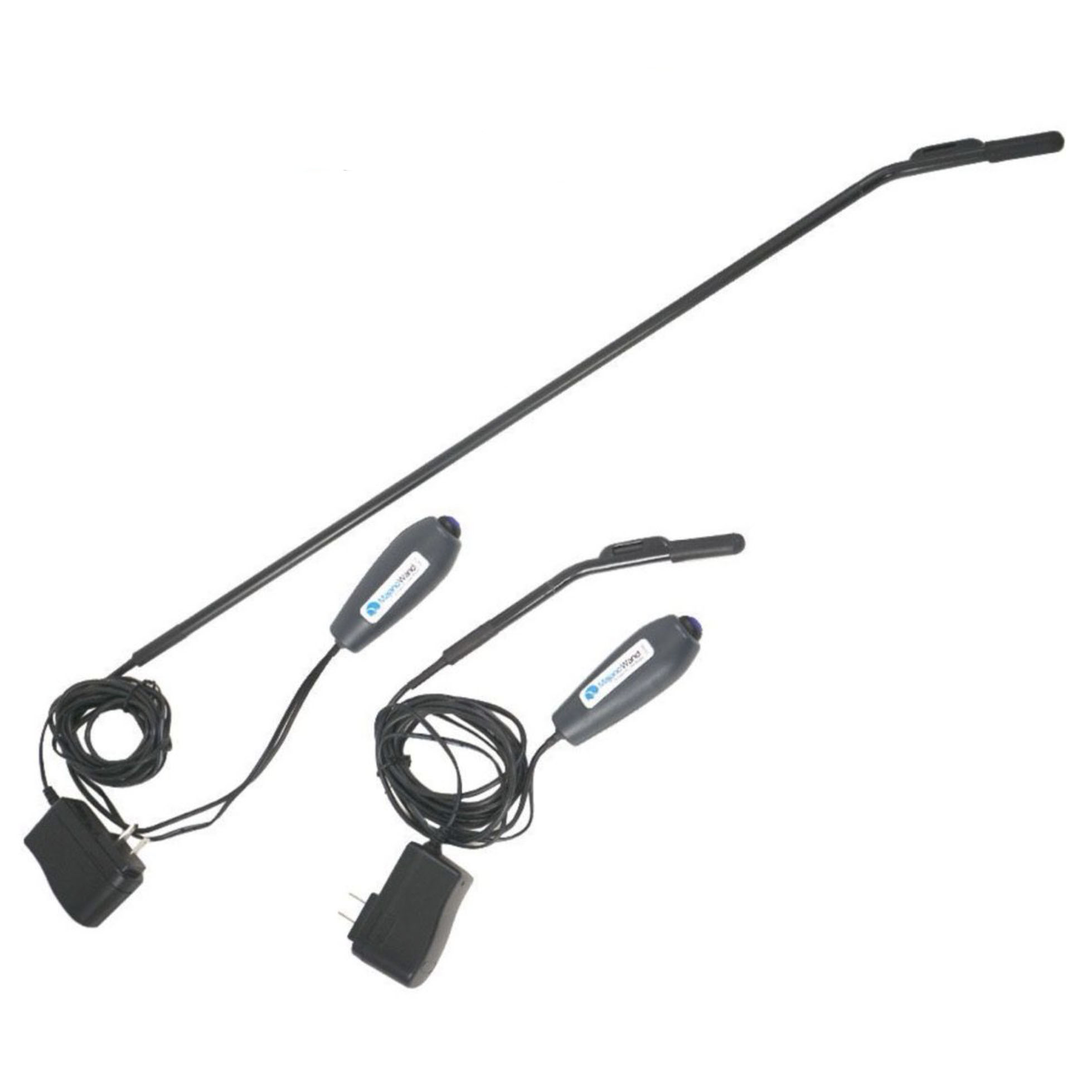
How to Eliminate Majano Anemones in Your Reef Aquarium with the Majano Wand
Majano anemones are one of the most frustrating nuisance pests found in saltwater and reef aquariums. What may begin as a single small anemone can quickly become a much larger infestation, spreading across live rock, coral plugs, frag racks, and other surfaces throughout the aquarium.

Aquaculture Kings AK Culturi Phytoplankton Reactor | Grow Live Phytoplankton & Copepods
For reef aquarium hobbyists looking to improve coral health, increase biodiversity, and reduce the cost of purchasing bottled live foods, few investments offer as much long-term value as producing your own live phytoplankton. Fresh phytoplankton is one of the most important foundational foods in a marine ecosystem, supporting everything from copepods and rotifers to filter-feeding corals, clams, sponges, and other beneficial invertebrates.

Maxspect Coral Putty: The Reef Aquarist's Secret Weapon for Secure Coral Mounting
June 22, 2026| Posted in Livestock, Care & Maintenance , home, Substrate, Beginners| Scott Groseclose| 316
In the world of reef aquariums, stability matters. Whether you're securing a prized SPS frag, building a custom aquascape, or reinforcing rock structures, the right adhesive can make all the difference. That's why Maxspect Coral Putty has become a trusted solution among hobbyists and professional reef keepers alike.

Why Are My Corals Not Growing? A Complete Guide to Diagnosing and Fixing Slow Coral Growth
Few things are more frustrating for reef aquarium hobbyists than investing time, money, and effort into a beautiful reef tank only to discover that their corals simply aren't growing. Your water looks clear. Your fish appear healthy. Your equipment is running properly. Yet weeks or even months pass without noticeable coral growth.
If you've ever asked yourself, "Why are my corals not growing?" you're not alone.

The Ultimate Guide to Maxspect Scraper Refine - Aquarium Magnet Scrapers
March 17, 2026| Posted in New Products, Care & Maintenance , Pests & Algae, home, Beginners| Scott Groseclose| 896
Aquarium enthusiasts know the struggle: stubborn algae, coralline buildup, and biofilm on your tank glass can ruin the crystal-clear view of your reef tank or freshwater aquarium. Traditional scrapers fall short—dull blades, weak magnets, wrist strain, and constant replacements. Enter the Maxspect Scraper Refine Aquarium Magnet Scraper, the next-generation aquarium magnet scraper that’s revolutionizing tank maintenance.

Saltwater Tank Guide: Everything You Need to Build a Thriving Saltwater Aquarium
A Saltwater tank is more than just an aquarium—it’s a living ecosystem. From vibrant reef fish and corals to crystal-clear water and advanced filtration, saltwater aquariums offer one of the most rewarding experiences in the hobby.
But success doesn’t come from guesswork.
Protein Skimmer Guide for Saltwater Aquariums (What, Why & How to Choose)
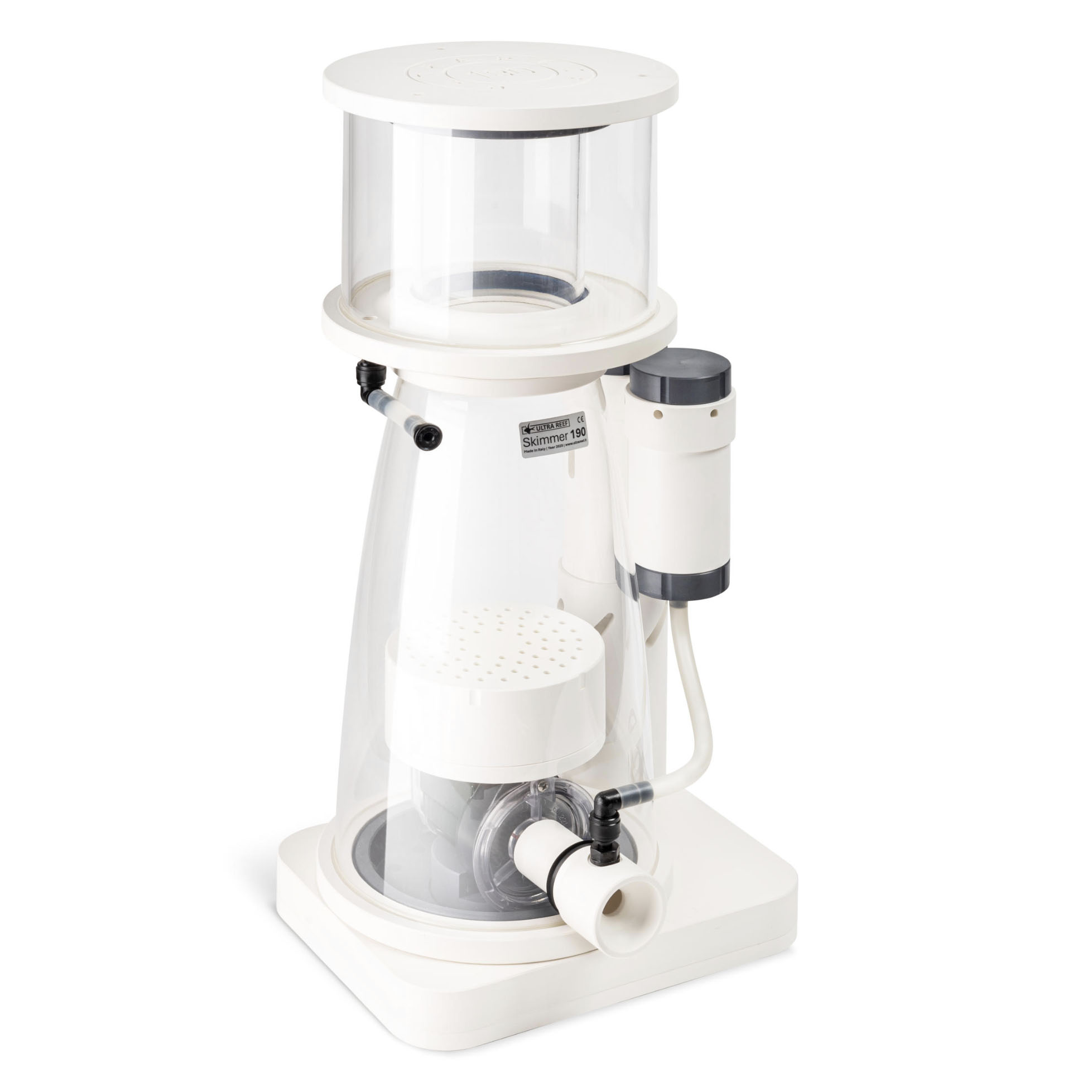
Protein Skimmer Guide for Saltwater Aquariums (What, Why & How to Choose)
A protein skimmer is one of the most important pieces of equipment in a saltwater aquarium. While many reef tanks can run without one, tanks that thrive long-term almost always use a properly sized and well-tuned skimmer.
This guide explains what a protein skimmer is, how it works, why it matters, the benefits, how to choose the right one, and how it compares to other filtration methods—so you can make a confident, informed decision for your reef system.
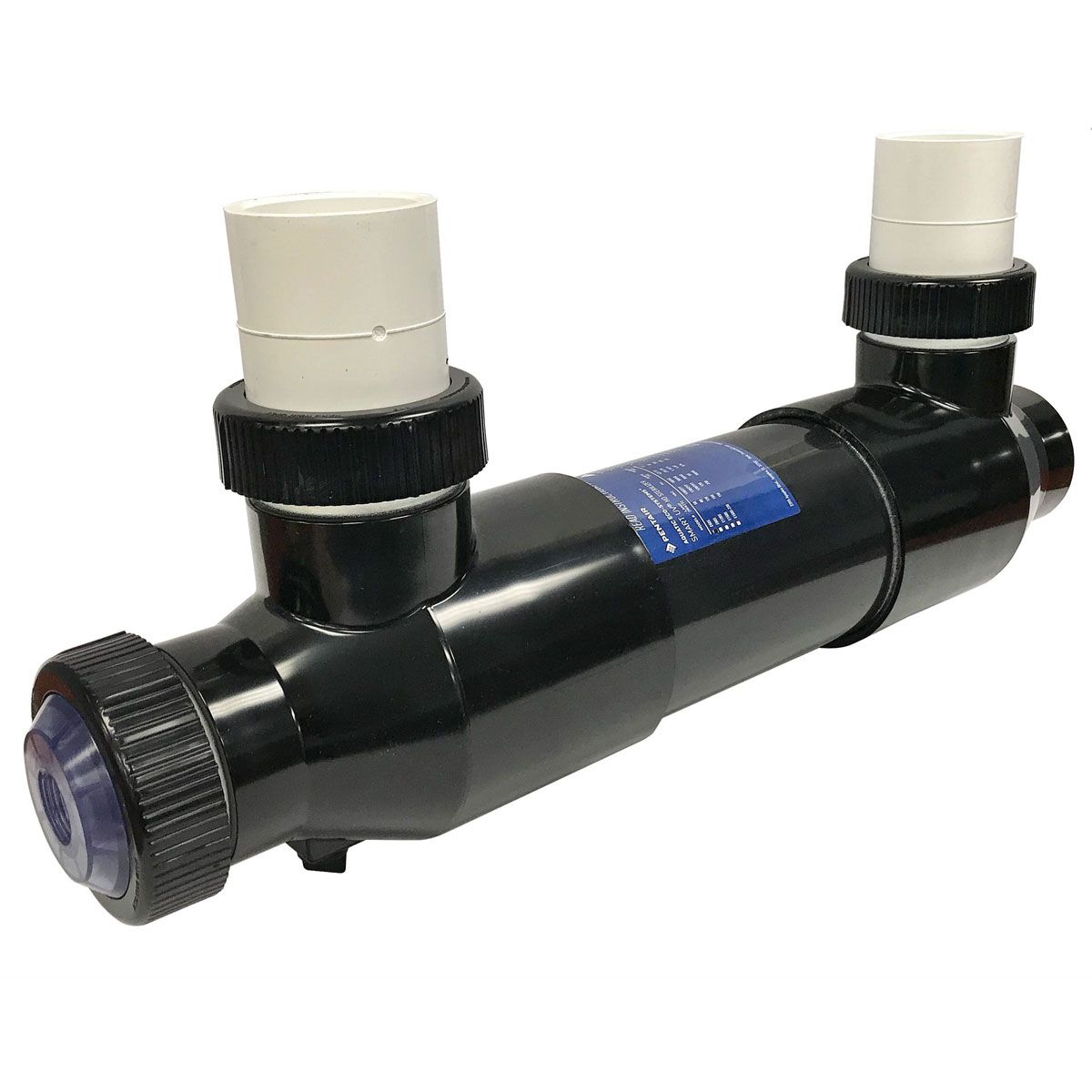
The Benefits of UV Sterilizers for Aquariums and Ponds
October 4, 2025| Posted in Care & Maintenance , Pests & Algae, home, Beginners| Scott Groseclose| 3415
Maintaining clear, healthy water in your aquarium or pond can be challenging—but a UV sterilizer makes it much easier. Whether you’re running a saltwater reef tank, a freshwater planted aquarium, or an outdoor koi pond, adding a UV sterilizer can dramatically improve water clarity and overall aquatic health.

Controlling Phosphate in the Aquarium with GFO (Granular Ferric Oxide) and Other Methods
September 18, 2025| Posted in Care & Maintenance , Pests & Algae, home, Additives & Water Treatment, Beginners| Scott Groseclose| 6751
Managing phosphate (PO4) levels in a reef aquarium is one of the most important aspects of maintaining a healthy and thriving marine system. Excess phosphate can quickly lead to nuisance algae outbreaks, poor coral coloration, and even the decline of sensitive species like SPS corals and anemones.
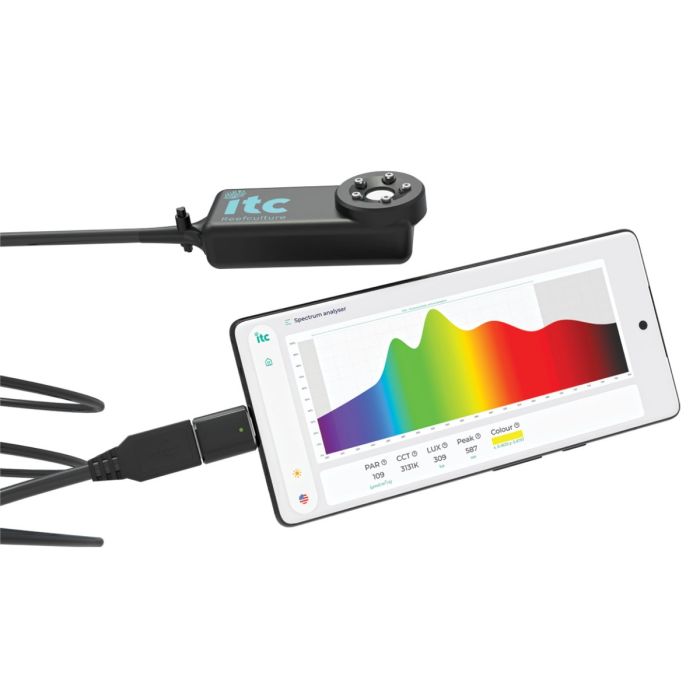
What is PAR in a Reef Tank? Understanding Photosynthetically Active Radiation for Corals
PAR, or Photosynthetically Active Radiation, is a critical factor when it comes to reef tank lighting. In scientific terms, PAR refers to the specific range of light wavelengths, from 400 to 700 nanometers, that corals, algae, and plants use for photosynthesis. PAR is essential because it measures the light that is actually usable by corals to produce energy, through the symbiotic relationship they have with zooxanthellae ...
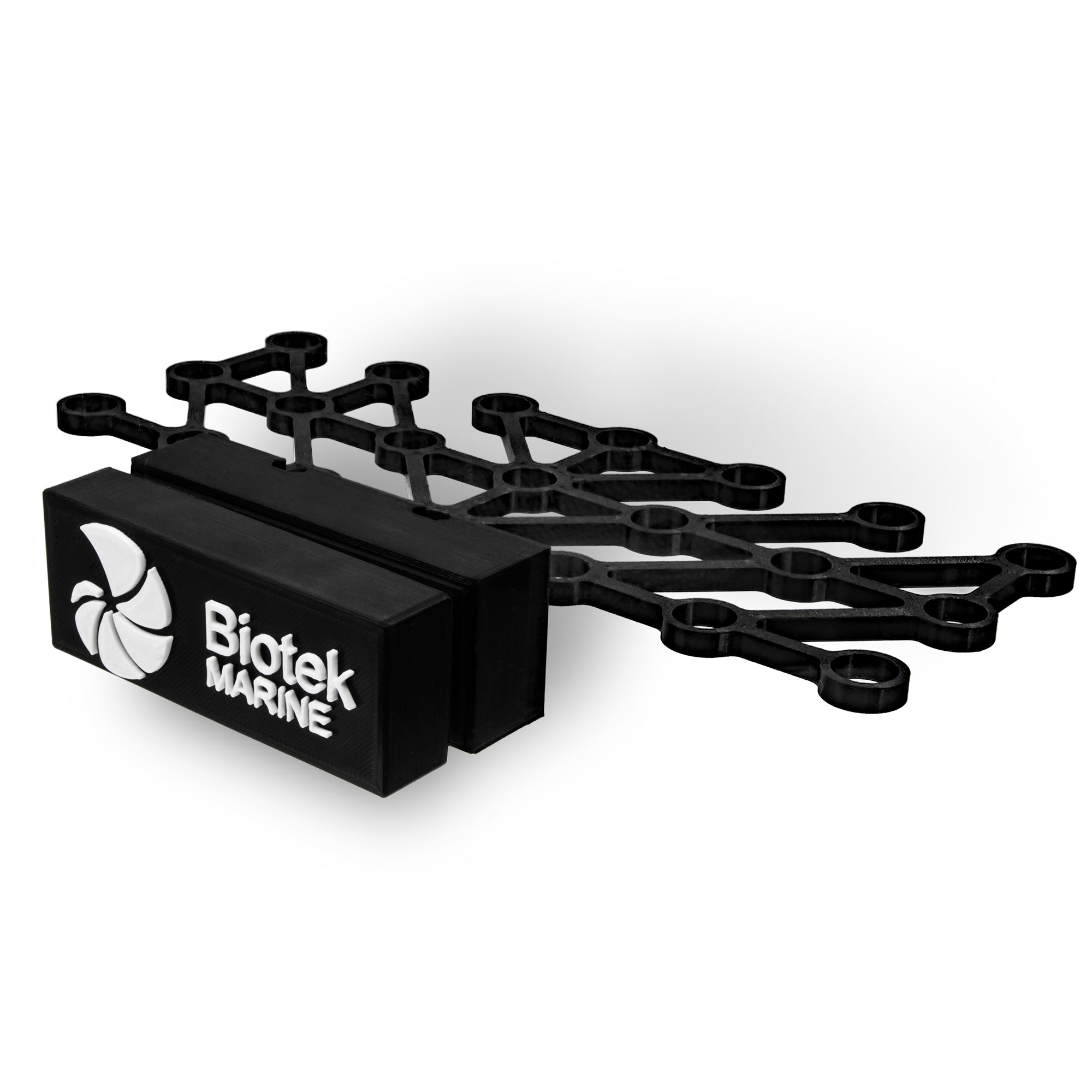
New BioTek Marine Frag Racks
May 6, 2014
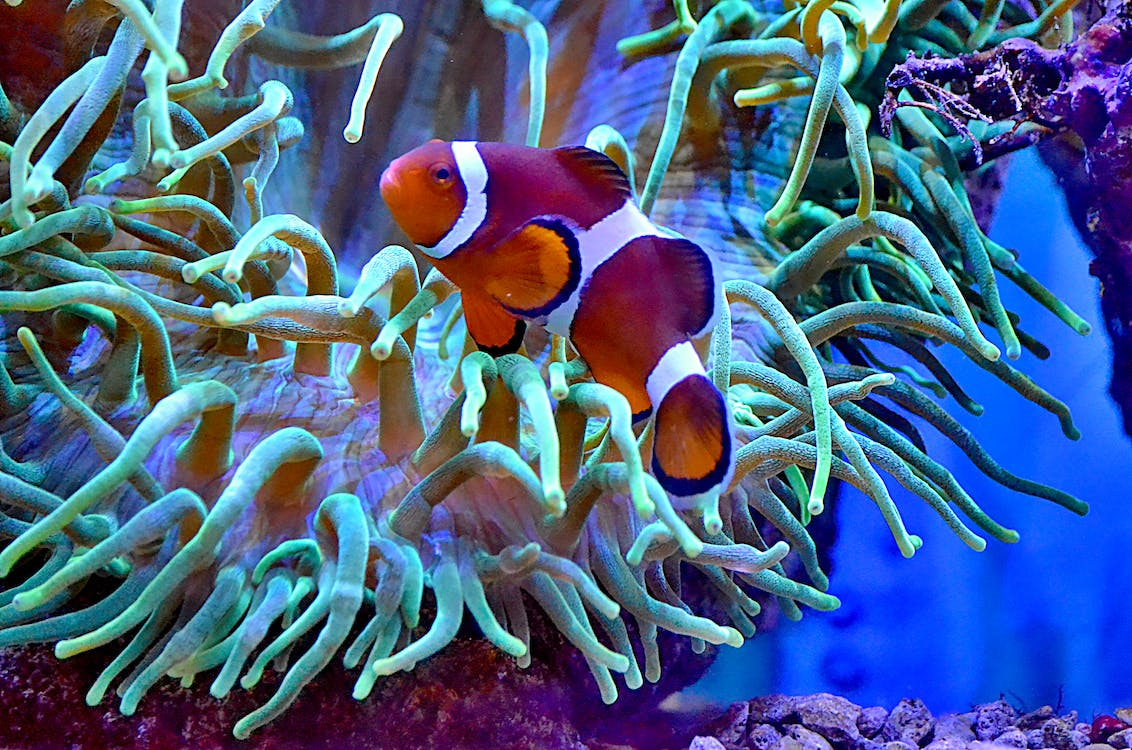
Life in Bubbles: The Real Age of Clownfish
October 5, 2023
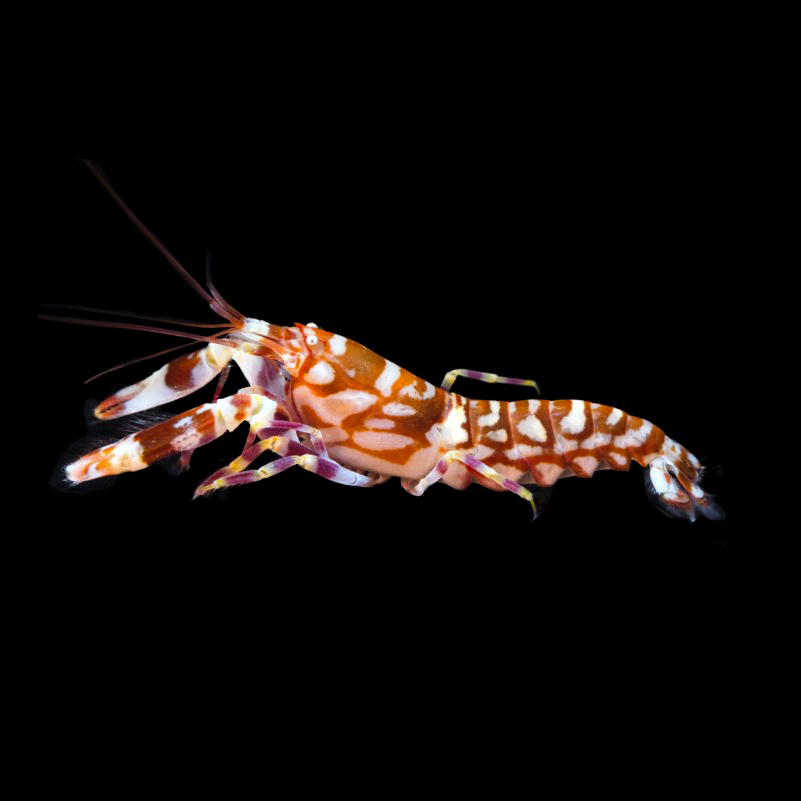
The Tiger Pistol Shrimp (Alpheus bellulus) For Your Aquarium
February 18, 2024