We use cookies to make your experience better. To comply with the new e-Privacy directive, we need to ask for your consent to set the cookies. Learn more.





Livestock


Aquaculture Kings AK Culturi Phytoplankton Reactor | Grow Live Phytoplankton & Copepods
August 6, 2026| Posted in Livestock, New Products, Care & Maintenance , home| Scott Groseclose| 1009
For reef aquarium hobbyists looking to improve coral health, increase biodiversity, and reduce the cost of purchasing bottled live foods, few investments offer as much long-term value as producing your own live phytoplankton. Fresh phytoplankton is one of the most important foundational foods in a marine ecosystem, supporting everything from copepods and rotifers to filter-feeding corals, clams, sponges, and other beneficial invertebrates.

Maxspect Coral Putty: The Reef Aquarist's Secret Weapon for Secure Coral Mounting
June 22, 2026| Posted in Livestock, Care & Maintenance , home, Substrate, Beginners| Scott Groseclose| 349
In the world of reef aquariums, stability matters. Whether you're securing a prized SPS frag, building a custom aquascape, or reinforcing rock structures, the right adhesive can make all the difference. That's why Maxspect Coral Putty has become a trusted solution among hobbyists and professional reef keepers alike.

Why Are My Corals Not Growing? A Complete Guide to Diagnosing and Fixing Slow Coral Growth
Few things are more frustrating for reef aquarium hobbyists than investing time, money, and effort into a beautiful reef tank only to discover that their corals simply aren't growing. Your water looks clear. Your fish appear healthy. Your equipment is running properly. Yet weeks or even months pass without noticeable coral growth.
If you've ever asked yourself, "Why are my corals not growing?" you're not alone.

ORA Fish: What They Are, Why They’re Better & Benefits of Captive-Bred Aquarium Fish
If you’re building a successful saltwater aquarium, choosing the right fish is critical. One of the best options available today is ORA fish (Oceans, Reefs & Aquariums) — a leader in captive-bred marine fish.
In this guide, you’ll learn:
What ORA fish are
Why they’re preferred over wild-caught fish
Key benefits for aquarium hobbyists
Popular ORA fish types
Where to buy them
Big vs Small Saltwater Fish: Which Is Best for Your Reef Tank?
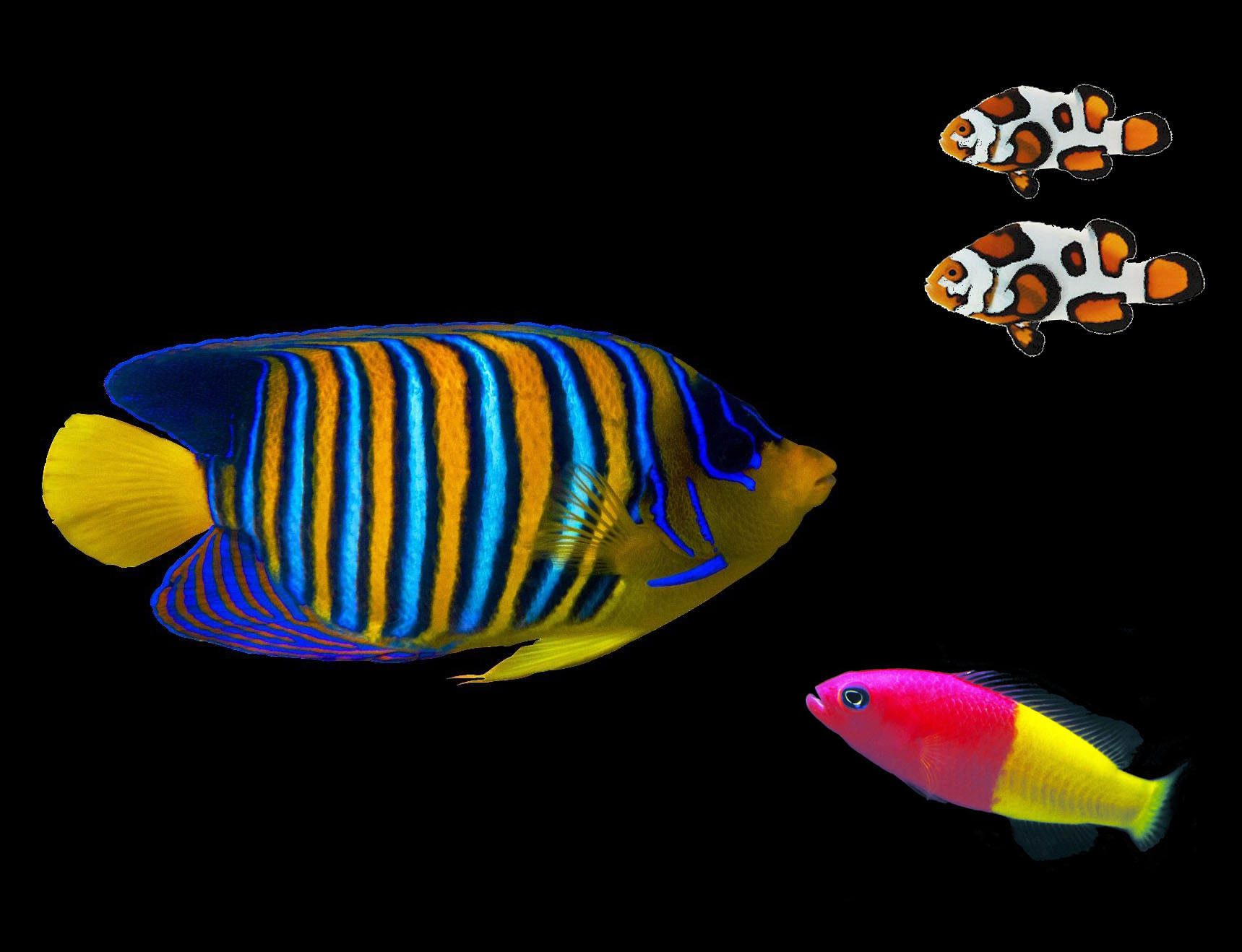
Choosing between big vs small saltwater fish is one of the most important decisions marine hobbyists face. The size of your fish impacts tank stability, compatibility, filtration requirements, and long-term success.
The Snowstorm Clownfish – A Captivating Designer Clownfish for Reef Aquariums
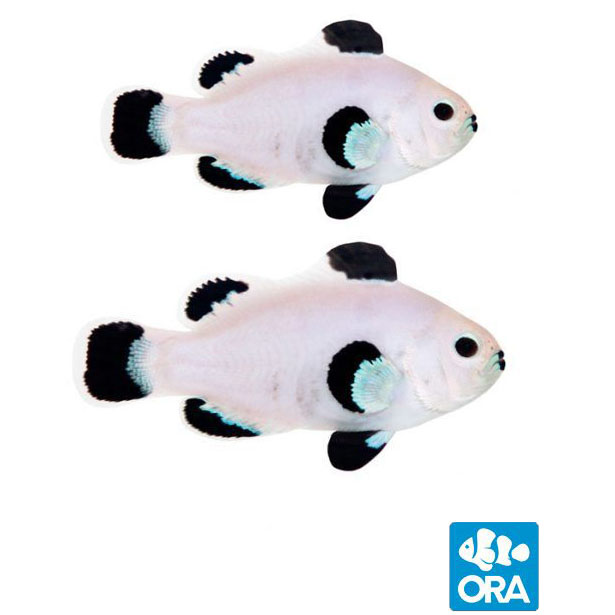
The Snowstorm Clownfish (Amphiprion ocellaris) is one of the most striking examples of modern marine aquaculture success. With its bold white body pattern, jet-black edging, and deep orange face, this designer clownfish has quickly become a favorite among reef hobbyists and marine fish collectors alike.

End Tariffs on Live Tropical Fish & Show Your Support
End Tariffs on Live Tropical Fish
The U.S. aquarium industry is a vibrant, $4.5 billion sector that enriches the lives of millions of Americans and supports over 30,000 domestic jobs across retail, manufacturing, logistics, and service.
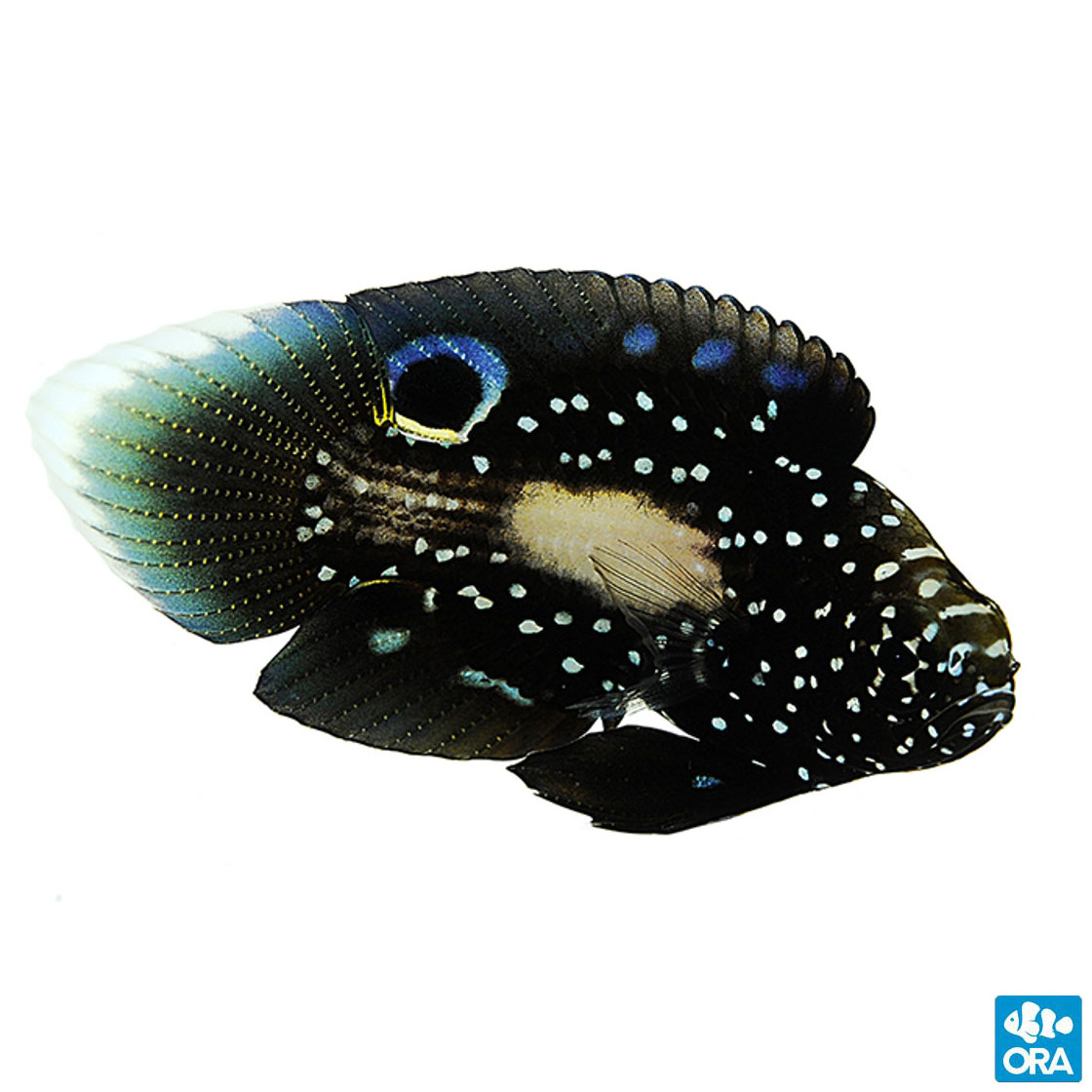
Captive-Bred Marine Betta Fish from ORA: A Breakthrough in Marine Aquaculture
In a significant advancement for marine ornamental aquaculture, Oceans, Reefs & Aquariums (ORA) has recently released captive-bred Marine Betta fish (Calloplesiops altivelis), adding to the growing repertoire of sustainably produced marine species available to aquarium enthusiasts.
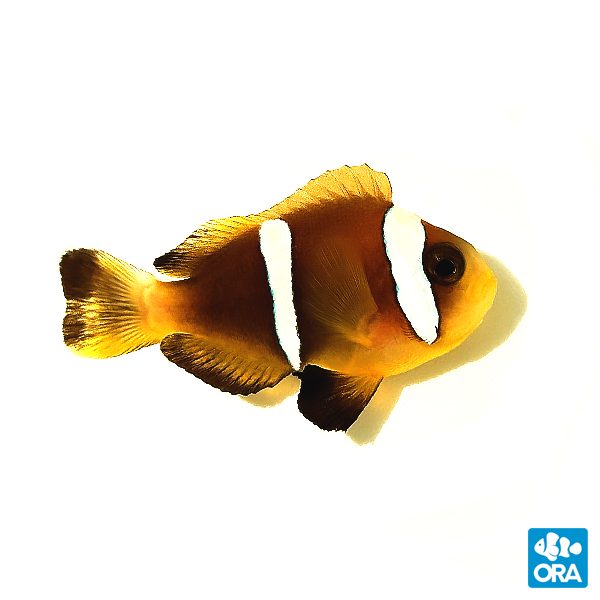
Oman Clownfish (Amphiprion omanensis): A Complete Guide to Habitat, Diet, Reproduction, and Captive Breeding
The Oman Clownfish, scientifically known as Amphiprion omanensis, is a captivating species that has intrigued marine enthusiasts and biologists alike. Known for their bright colors, fascinating social behaviors, and symbiotic relationships with sea anemones, Oman Clownfish are a popular choice for aquarium hobbyists worldwide.

Understanding Reef Tank Lighting: High-End Options, Affordable Alternatives, and Why PAR is Important
Proper lighting is essential for a thriving reef tank, as it replicates natural sunlight and supports the photosynthesis corals need to stay healthy. Selecting the best reef tank LED lighting system is crucial to providing adequate intensity, spectrum, and PAR (Photosynthetically Active Radiation) levels, all of which contribute to coral growth and coloration. In this article, we’ll explore high-end lighting options...
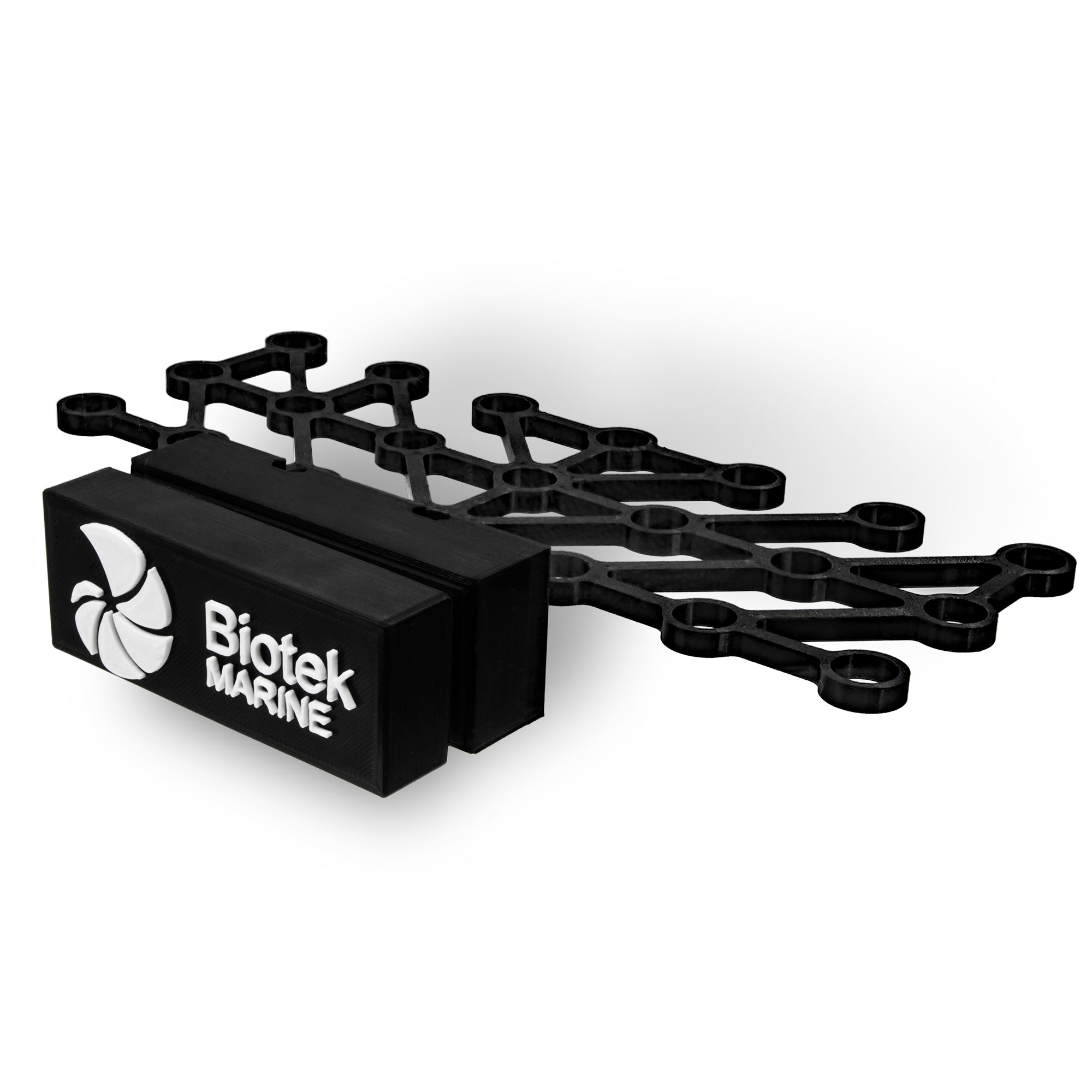
New BioTek Marine Frag Racks
May 6, 2014
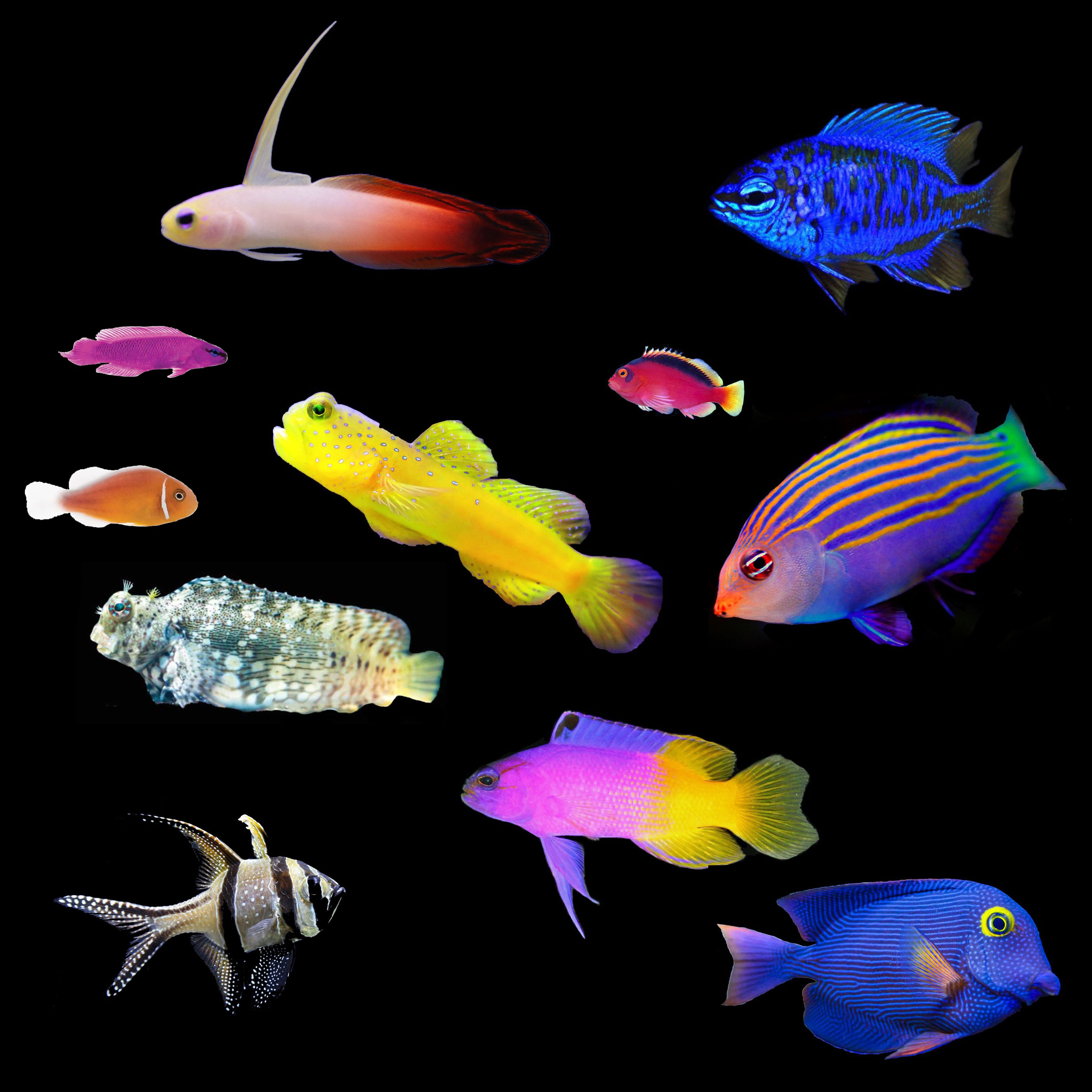
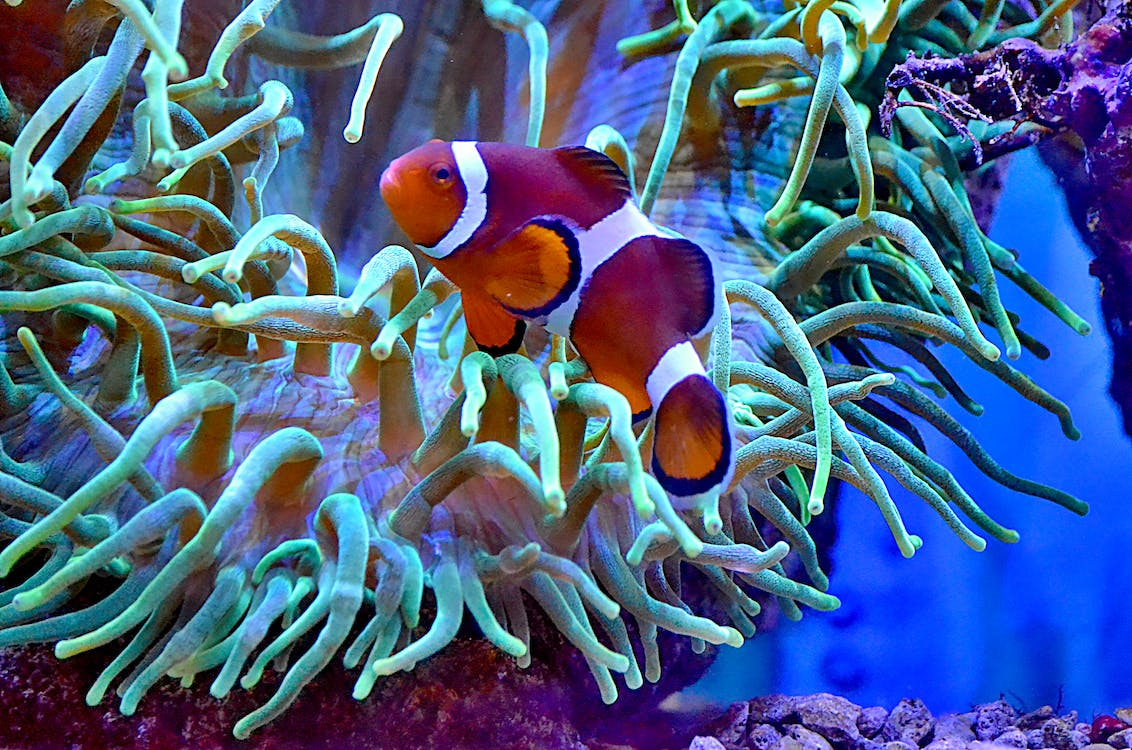
Life in Bubbles: The Real Age of Clownfish
October 5, 2023
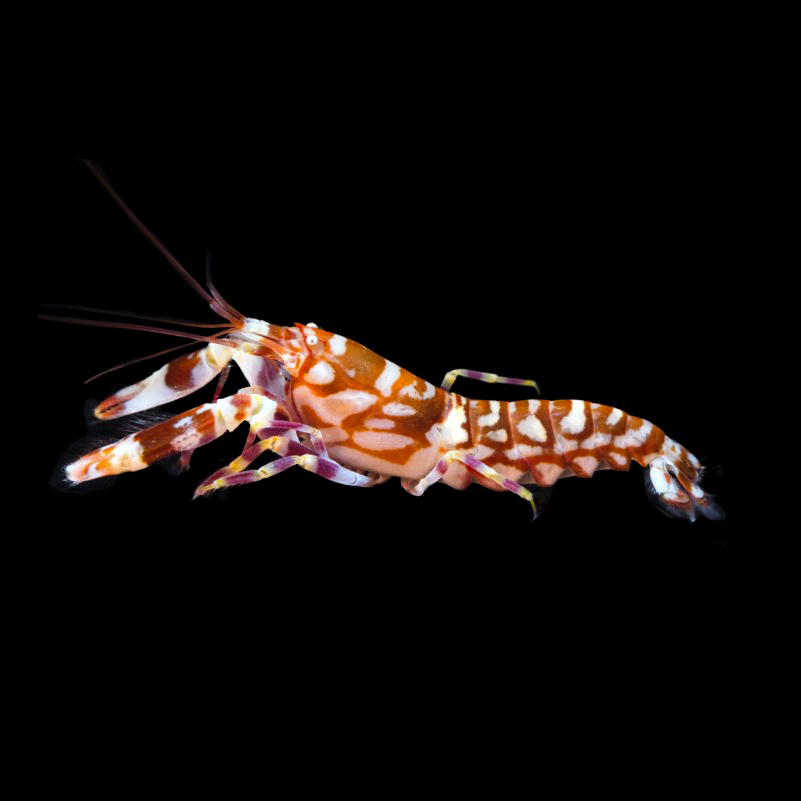
The Tiger Pistol Shrimp (Alpheus bellulus) For Your Aquarium
February 18, 2024