We use cookies to make your experience better. To comply with the new e-Privacy directive, we need to ask for your consent to set the cookies. Learn more.





Choosing the Right Aquarium Size for Your Space: The Complete Guide to Planning Your Luxury Reef Tank


Introduction
Every successful reef aquarium begins with one decision that influences everything else: choosing the right aquarium size.
It's not simply about finding a tank that fits your home. The dimensions you choose will affect water stability, equipment selection, livestock options, maintenance requirements, long-term costs, and ultimately how enjoyable your reef-keeping experience becomes.
Many hobbyists either buy too small and struggle with unstable water chemistry or purchase an oversized system without fully understanding the maintenance commitment. The goal isn't to buy the biggest aquarium possible—it's to choose the largest aquarium you can comfortably maintain for years to come.
Aquarium Specialty Expert Recommendation
When helping customers choose an aquarium, we recommend selecting the largest system your space, budget, and maintenance schedule can realistically support.
The right aquarium isn't necessarily the biggest one—it's the one you'll enjoy maintaining for years to come.
Before You Buy: Ask Yourself These Questions
✔ Can my floor safely support the weight?
✔ Do I have room for maintenance?
✔ Can I comfortably afford quality equipment?
✔ Does this aquarium fit my long-term goals?
✔ Will I enjoy maintaining it for the next 10 years?
Need Help Choosing the Right Aquarium?
Selecting the right aquarium doesn't have to be overwhelming.
Our team at Aquarium Specialty can help you choose the ideal aquarium size based on:
-
Your available space
-
Your budget
-
Your experience level
-
Your livestock goals
-
Your long-term vision
Whether you're building your first reef aquarium or planning a custom luxury display, we're here to help you make the right decision From the start.
Quick Answer
Choosing the right aquarium size depends on your experience, available space, budget, and long-term goals.
Basic Recommendations for Hobbyists Considering Larger Aquarium Options:
| Experience | Recommended Size |
|---|---|
| Beginner | 75–120 Gallons |
| Intermediate | 180–300 Gallons |
| Advanced | 300+ Gallons |
If you're planning a reef aquarium, larger tanks generally provide greater water stability, more stocking flexibility, and easier long-term maintenance.
Frequently Asked Questions
What is the best aquarium size for beginners?
A 75–120 gallon aquarium offers the best balance of stability, livestock options, and manageable maintenance.
Should I buy the biggest aquarium I can fit?
Not necessarily. Choose the largest aquarium you can comfortably maintain over the long term.
Are larger reef aquariums easier to maintain?
In many cases, yes. Larger water volumes are more stable and more forgiving of small changes.
How much space should I leave behind my aquarium?
Plan for 18–24 inches behind the tank to allow access for plumbing, wiring, and routine maintenance.
This guide will help you make that decision with confidence.
Why Aquarium Size Matters More Than You Think
1. Water Stability
One of the biggest advantages of larger reef aquariums is stability.
More water volume means:
-
Stable temperature
-
Stable pH
-
Stable alkalinity
-
Less stress on fish and corals
-
Greater tolerance for small mistakes
A 40-gallon reef tank reacts much faster to changes than a 200-gallon aquarium.
Aquarium Specialty Expert Tip
Many first-time hobbyists assume smaller aquariums are easier.
In reality, larger reef systems are often more forgiving, making them an excellent choice for beginners willing to invest in long-term success.
2. Easier Long-Term Maintenance
Although larger aquariums cost more initially, they often require less frequent intervention because water chemistry changes more slowly.
Benefits include:
-
Fewer emergency corrections
-
Better filtration efficiency
-
Longer equipment lifespan
-
Reduced stress during maintenance
A luxury reef aquarium should become an enjoyable centerpiece—not a daily challenge.
3. Greater Livestock Options
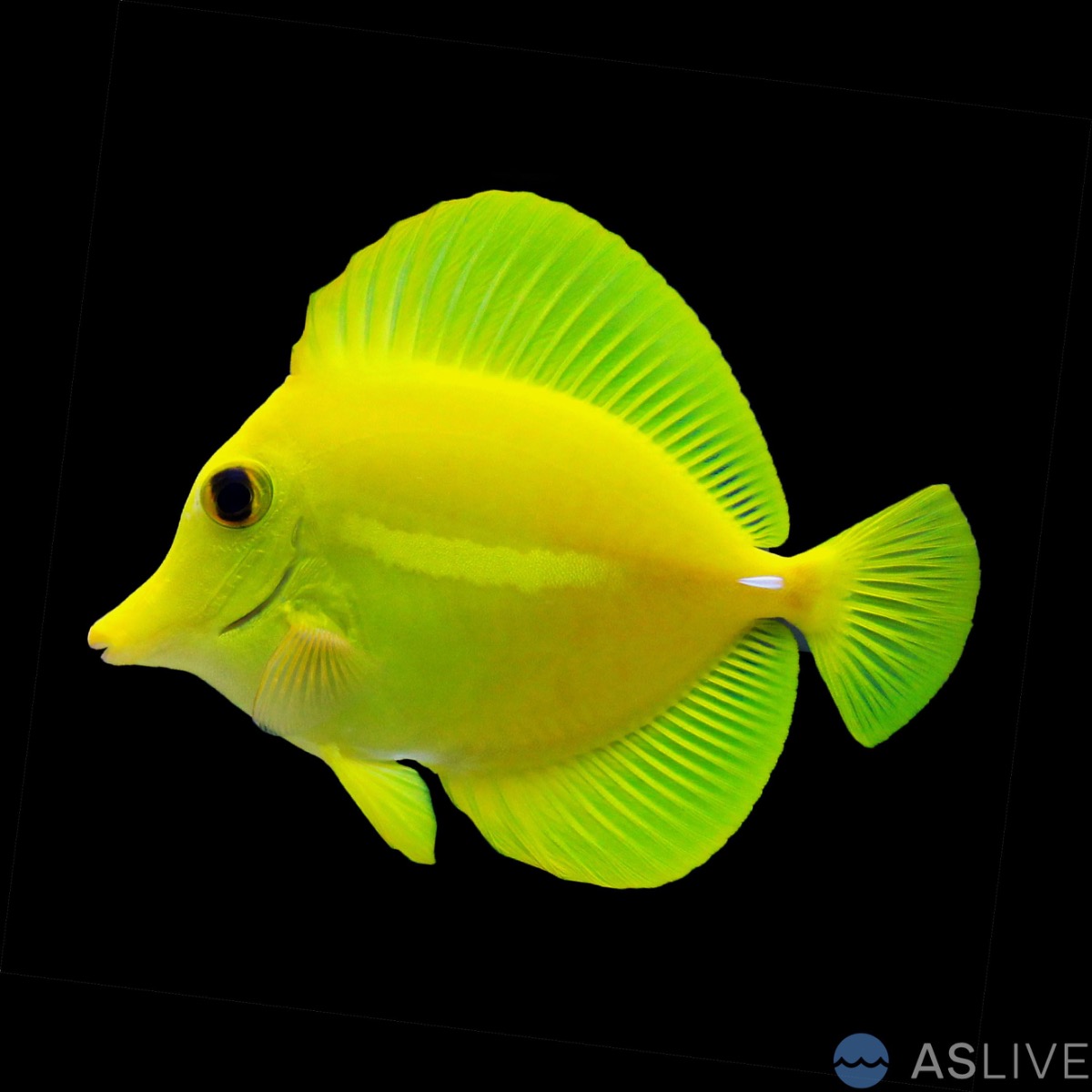
Larger aquariums provide:
-
More swimming space
-
Better aquascaping opportunities
-
Higher coral diversity
-
More natural fish behavior
Many tangs, angelfish, and active reef species simply cannot thrive in smaller aquariums.
How Much Space Do You Really Need?
Before choosing an aquarium, evaluate your room carefully.
Measure Your Space
Consider:
-
Wall length
-
Viewing angle
-
Access for maintenance
-
Electrical outlets
-
Plumbing access
-
Sunlight exposure
Leave 18–24 inches behind the aquarium whenever possible to allow room for plumbing, maintenance, and equipment servicing.
Don't Forget the Weight
Many people underestimate how heavy a reef aquarium becomes after adding water, live rock, sand, cabinetry, and equipment.
| Aquarium | Estimated Finished Weight |
| 75 Gallons | 850–1,000 lbs |
| 120 Gallons | 1,400–1,700 lbs |
| 150 Gallons | 1,700–2,100 lbs |
| 220 Gallons | 2,400–3,000 lbs |
| 300 Gallons | 3,400–4,200 lbs |
If you're installing an aquarium on an upper floor, consult a structural professional before proceeding.
Recommended Aquarium Sizes
Beginner Reef Keepers
Recommended:
75–120 Gallons
Why?
-
Easier chemistry
-
Room for quality equipment
-
Good livestock selection
-
Lower long-term maintenance
Intermediate Hobbyists
Recommended:
180–300 Gallons
Ideal for:
-
SPS reefs
-
Mixed reefs
-
Larger fish
-
Complex aquascapes
Advanced Hobbyists
Recommended:
300+ Gallons
Benefits include:
-
Maximum stability
-
Showcase-quality displays
-
Rare fish species
-
Premium aquascaping possibilities
Choosing the Right Dimensions
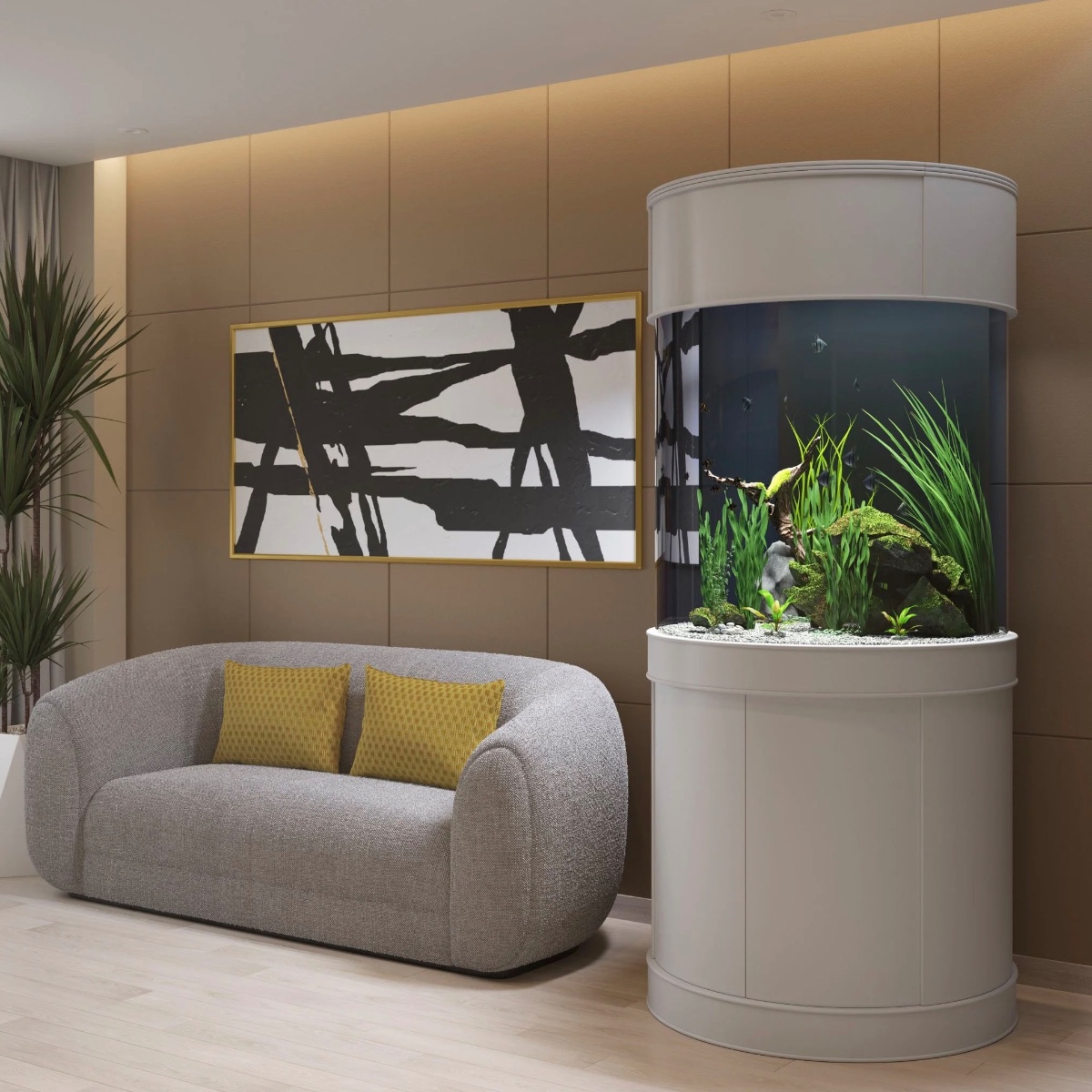
Aquarium dimensions matter just as much as gallon capacity.
Length
Longer aquariums generally outperform taller aquariums because they provide:
-
Better swimming space
-
Improved aquascaping
-
Easier maintenance
-
Better lighting efficiency
Recommended:
-
Minimum: 48"
-
Ideal: 60–72"
-
Premium: 96"+
Depth
Front-to-back depth creates visual impact.
Recommended:
-
18" minimum
-
24" ideal
-
30"+ for luxury installations
Height
Most reef aquariums perform best between:
20–24"
Very tall aquariums often become difficult to maintain and require stronger lighting.
The 5 Biggest Aquarium Size Mistakes
1. Buying the smallest tank to save money
Small tanks are usually harder to keep stable.
2. Ignoring floor strength
Always calculate the finished system weight.
3. Buying based only on gallons
Dimensions often matter more than total volume.
4. Not planning for equipment
Leave adequate room for:
-
Sump
-
Plumbing
-
Lighting
-
Controllers
-
Maintenance
5. Choosing today's needs instead of tomorrow's goals
Many hobbyists upgrade within a few years.
Buying slightly larger initially often saves money later.
Aquarium Specialty Expert Recommendation
When helping customers choose an aquarium, we recommend selecting the largest system your space, budget, and maintenance schedule can realistically support.
The right aquarium isn't necessarily the biggest one—it's the one you'll enjoy maintaining for years to come.
Before You Buy: Ask Yourself These Questions
✔ Can my floor safely support the weight?
✔ Do I have room for maintenance?
✔ Can I comfortably afford quality equipment?
✔ Does this aquarium fit my long-term goals?
✔ Will I enjoy maintaining it for the next 10 years?
Need Help Choosing the Right Aquarium?
Selecting the right aquarium doesn't have to be overwhelming.
Our team at Aquarium Specialty can help you choose the ideal aquarium size based on:
-
Your available space
-
Your budget
-
Your experience level
-
Your livestock goals
-
Your long-term vision
Whether you're building your first reef aquarium or planning a custom luxury display, we're here to help you make the right decision From the start.
Quick Answer
Choosing the right aquarium size depends on your experience, available space, budget, and long-term goals.
Aquarium Specialty Recommendations
| Experience | Recommended Size |
|---|---|
| Beginner | 75–120 Gallons |
| Intermediate | 180–300 Gallons |
| Advanced | 300+ Gallons |
If you're planning a reef aquarium, larger tanks generally provide greater water stability, more stocking flexibility, and easier long-term maintenance.
Frequently Asked Questions
What is the best aquarium size for beginners?
A 75–120 gallon aquarium offers the best balance of stability, livestock options, and manageable maintenance.
Should I buy the biggest aquarium I can fit?
Not necessarily. Choose the largest aquarium you can comfortably maintain over the long term.
Are larger reef aquariums easier to maintain?
In many cases, yes. Larger water volumes are more stable and more forgiving of small changes.
How much space should I leave behind my aquarium?
Plan for 18–24 inches behind the tank to allow access for plumbing, wiring, and routine maintenance.
Final Thoughts
Choosing the right aquarium size is about much more than finding a tank that fits your available space—it's about building a reef system that will thrive for years to come. The dimensions you choose influence water stability, equipment selection, livestock compatibility, maintenance requirements, and ultimately your overall enjoyment of the hobby.
While it's tempting to purchase the largest aquarium your budget allows, the smartest investment is the system that matches your lifestyle, available space, and long-term commitment. A well-planned, properly maintained reef aquarium will always outperform a larger system that becomes difficult to manage.
At Aquarium Specialty, we've helped hobbyists and experienced reef keepers build successful aquarium systems by focusing on thoughtful planning rather than impulse buying. Whether you're setting up your very first reef aquarium or designing a custom luxury display, selecting the right size From the beginning will save you time, money, and frustration while setting the foundation for long-term success.
If you're still unsure which aquarium size is right for your home, our team is here to help. We'll guide you through selecting the ideal aquarium, compatible equipment, and the best products for your goals so you can build your reef with confidence.
Continue Your Reef Planning Journey
Choosing the right aquarium size is only the first step.
Continue through our Luxury Reef Planning Series to make informed decisions before investing in your dream aquarium.
Read Next
Part 2: Rimless vs. Euro-Braced Aquariums
Then continue with:
- Part 3: Glass vs. Acrylic Aquariums
- Part 4: External vs. Internal Overflow Systems
- Part 5: Choosing the Best Aquarium Layout
- Part 6: Choosing the Right Aquarium Stand & Cabinet
By the end of this series, you'll have a complete understanding of how to plan a luxury reef aquarium that's beautiful, functional, and built for long-term success.
August 15, 2026
|
View: 1125
|
Categories: Aquariums, home, Beginners
|
By: <a class="mp-info" href="https://www.aquariumspecialty.com/blog/author/scott">Scott Groseclose</a>
|
Modify By: <a class="mp-info" href="https://www.aquariumspecialty.com/blog/author/aquariumspecialty">AquariumSpecialty</a> at August 15, 2026
About the Author

New BioTek Marine Frag Racks
May 6, 2014
Life in Bubbles: The Real Age of Clownfish
October 5, 2023
The Tiger Pistol Shrimp (Alpheus bellulus) For Your Aquarium
February 18, 2024