We use cookies to make your experience better. To comply with the new e-Privacy directive, we need to ask for your consent to set the cookies. Learn more.






Saltwater Tank Guide: Everything You Need to Build a Thriving Saltwater Aquarium


A Saltwater tank is more than just an aquarium—it’s a living ecosystem. From vibrant reef fish and corals to crystal-clear water and advanced filtration, saltwater aquariums offer one of the most rewarding experiences in the hobby.
But success doesn’t come from guesswork.
This beginners saltwater beginners guide or introduction to saltwater aquariums walks you through what a saltwater tank is, why people choose it, its benefits, how to choose the right setup, common mistakes to avoid, and how to build a system that thrives long-term—whether you’re a beginner or upgrading your first reef.
What Is a Saltwater Tank?
A saltwater tank (also called a marine aquarium) is an aquarium that replicates ocean conditions using:
-
Saltwater mixed with purified freshwater
-
Live rock or biological filtration media
-
Marine fish, corals, and invertebrates
-
Advanced filtration and water movement
Unlike freshwater tanks, saltwater aquariums focus on stability, water chemistry, and biological balance rather than frequent intervention.
There are three main types:
-
Fish-Only (FO) – Marine fish only
-
Fish-Only With Live Rock (FOWLR) – Fish + natural filtration
-
Reef Tank – Fish, corals, and invertebrates
Why Choose a Saltwater Aquarium?


Saltwater tanks attract hobbyists who want visual impact, diversity, and long-term engagement.
Key reasons people choose saltwater tanks:
-
Unmatched colors and movement
-
Highly interactive livestock
-
Endless customization options
-
A deeper, more rewarding learning curve
While freshwater tanks are easier to start, saltwater tanks are more satisfying to master.
Benefits of a Saltwater Tank
1. Stunning Visual Appeal
No freshwater setup compares to the color, depth, and realism of a reef tank. Corals fluoresce, fish display natural behaviors, and the system becomes a centerpiece.
2. Long-Term Stability (When Done Right)
Contrary to popular belief, a properly designed saltwater tank is often more stable than freshwater, thanks to biological filtration and buffering capacity.
3. Wider Livestock Variety
From clownfish and tangs to shrimp, snails, and corals and other aquatic invertebrates, marine tanks offer thousands of compatible species.
⚙️ 4. Modular & Scalable
Saltwater systems grow with you:
- For Beginners - Start simple or hire an expert to maintain your aquarium until you either decide to takover.
-
Upgrade lighting, filtration, or automation later
-
Expand to coral reefs without replacing everything
5. Higher Equipment Longevity
Quality marine equipment is designed for continuous operation and often lasts longer than freshwater gear.
How to Choose the Right Saltwater Tank (Beginner to Advanced)
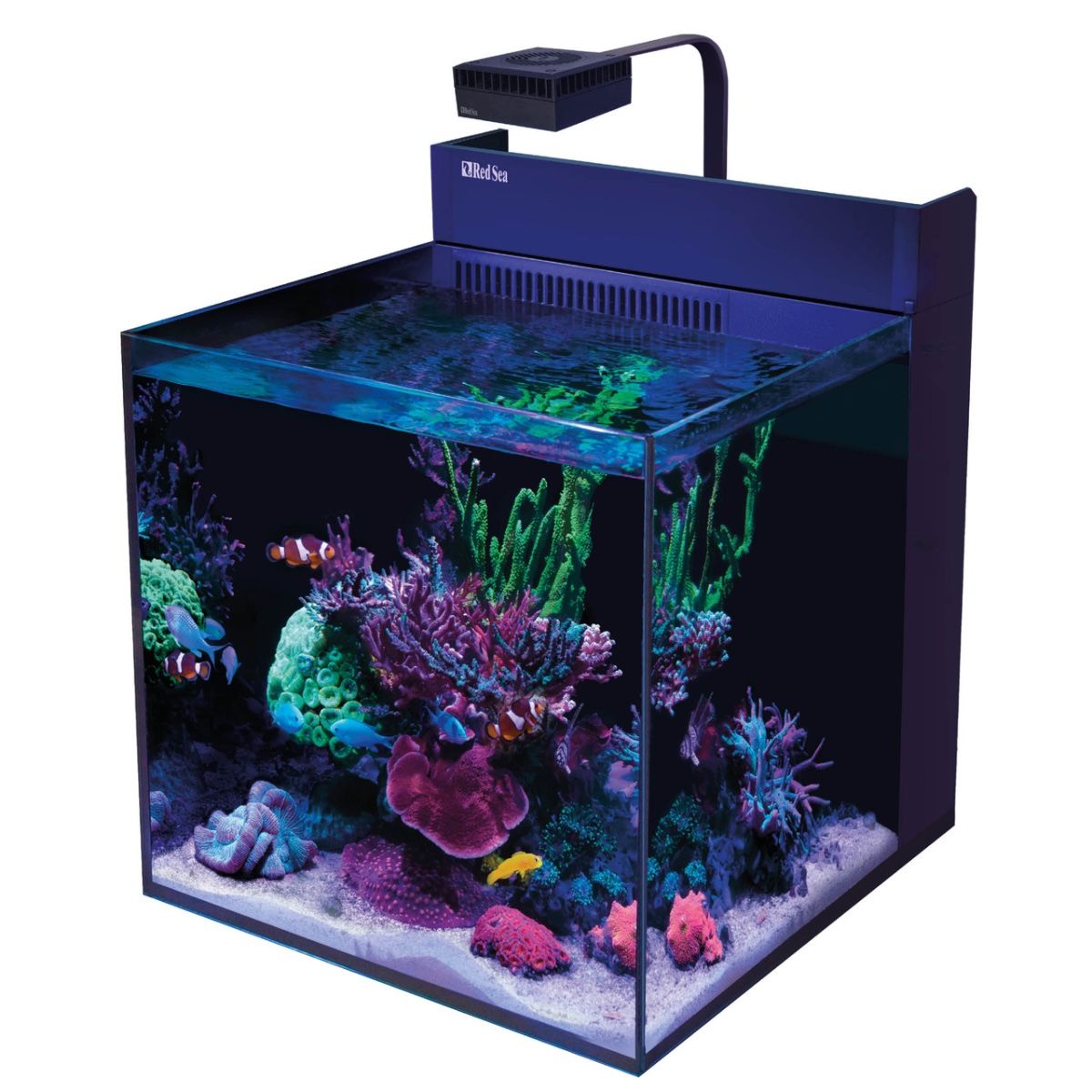
1. Tank Size Matters More Than You Think
Bigger tanks are easier, not harder.
Recommended starting sizes:
-
Beginner: 40–75 gallons
-
Average Reef-focused: 60–120 gallons
-
Advanced systems: 150+ gallons
More water = more stability.
2. Choose the Right Filtration System
Saltwater tanks rely on biological filtration supported by:
-
Protein Skimmers
-
Live rock, Dry rock or Manmade artifical rock.
-
Mechanical filtration
-
Optional refugiums or reactors
A good skimmer alone can prevent a lot of common beginner issues.
3. Lighting Depends on Your Goal
-
Fish-only tanks → Basic LED lighting is fine
-
Reef tanks → High-quality reef LEDs with spectrum control is ideal
Lighting is one of the most important investments in a reef system.
4. Water Movement Is Critical
Saltwater aquariums require strong, random flow to:
-
Oxygenate water
-
Prevent waste buildup
-
Support invertebrate and fish health
Powerheads and wavemakers are not optional—they are essential.
Common Saltwater Tank Mistakes (And How to Avoid Them)
❌ Starting Too Small
Small tanks water parameters swing faster and crash easier.
❌ Rushing Livestock Additions
Saltwater tanks need time to biologically mature. For faster cycling, we reccomend adding probiotic bacteria upon setup and/or throughout the life of the aquarium setup.
❌ Skipping Quality Equipment
Cheap gear costs more long-term through failures and replacements.
❌ Ignoring Water Testing
Regular testing prevents problems before they become visible. Having quality test kits or other water testing devices on hand is ideal. If test kits are nit your thing then most local fish stores can test your water for you.
Who Should Start a Saltwater Tank?
A saltwater aquarium is ideal if you:
-
Enjoy learning and fine-tuning systems
-
Want a visually stunning display
-
Prefer stability over constant cleaning
-
Plan to stay in the hobby long-term
If you want set-and-forget simplicity, freshwater may be better.
If you want long-term satisfaction, saltwater wins.
Conclusion: Is a Saltwater Tank Worth It?
A saltwater tank isn’t just an aquarium—it’s an ecosystem you build, refine, and enjoy for years.
With the right setup, patience, and equipment, saltwater aquariums are are beautiful in any home or just about in any business environment.
January 13, 2026
|
View: 709
|
Categories: Aquariums, Care & Maintenance , home, Beginners
|
By: <a class="mp-info" href="https://www.aquariumspecialty.com/blog/author/scott">Scott Groseclose</a>
|
Modify By: <a class="mp-info" href="https://www.aquariumspecialty.com/blog/author/aquariumspecialty">AquariumSpecialty</a> at January 13, 2026
About the Author


New BioTek Marine Frag Racks
May 6, 2014
Life in Bubbles: The Real Age of Clownfish
October 5, 2023
The Tiger Pistol Shrimp (Alpheus bellulus) For Your Aquarium
February 18, 2024