We use cookies to make your experience better. To comply with the new e-Privacy directive, we need to ask for your consent to set the cookies. Learn more.





How to Eliminate Majano Anemones in Your Reef Aquarium with the Majano Wand

If you have ever discovered a small Majano anemone growing on your live rock, coral frag, or reef aquarium glass, you already know how quickly one unwanted anemone can become a frustrating problem.
Majano anemones are considered nuisance pests in reef aquariums because they can multiply, spread throughout the aquarium, occupy valuable space, and sting nearby corals. Removing them can also be challenging because Majanos can retract into cracks and crevices in live rock, making traditional removal methods difficult.
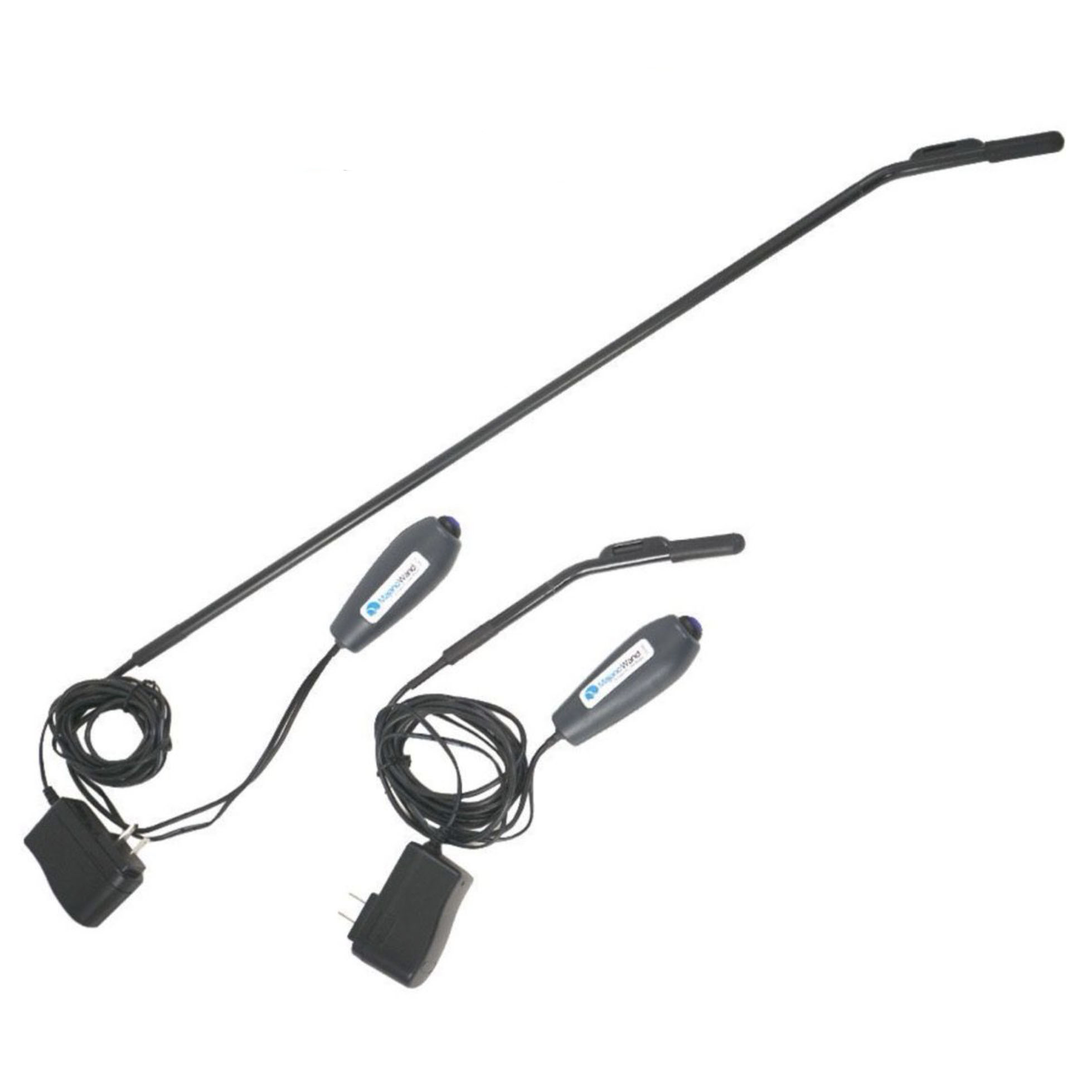
Fortunately, there is a specialized tool designed specifically for eliminating Majano anemones and Aiptasia: the Majano Wand.
The Majano Wand uses a specialized metal probe and a low-voltage electrolysis process to destroy unwanted anemone tissue directly at the point of contact. Instead of relying on kalkwasser paste, boiling water, chemicals, or physically tearing the anemone out of the rock, the Majano Wand allows reef keepers to target individual pests precisely.
What Is a Majano Anemone?
Majano anemones are small nuisance anemones commonly found in saltwater and reef aquariums. They can enter an aquarium as hitchhikers on live rock, coral frags, frag plugs, or other aquarium materials.
A single Majano may not look particularly concerning when it first appears. The problem begins when the population increases.
Majanos can spread across rockwork and establish themselves around corals, making them increasingly difficult to control. Their ability to hide in small cracks and crevices can make manual removal especially frustrating.
For reef keepers maintaining expensive coral colonies, discovering Majano anemones early and treating them before they become established is an important part of reef aquarium pest control.
Why Are Majano Anemones Considered a Reef Aquarium Pest?
Majano anemones can become a nuisance because they compete with desirable corals and other sessile organisms for space.
They may:
- Spread across live rock and aquarium surfaces
- Multiply and create larger infestations
- Sting nearby corals
- Establish themselves in difficult-to-reach areas
- Hide deep inside cracks and holes in rockwork
- Become increasingly difficult to remove as the infestation grows
A few Majanos can eventually turn into dozens or more if they are left untreated.
This is why early Majano anemone removal is much easier than trying to eliminate a large, established infestation.
How Does the Majano Wand Work?
This is what makes the Majano Wand different from many other methods of Majano anemone removal.
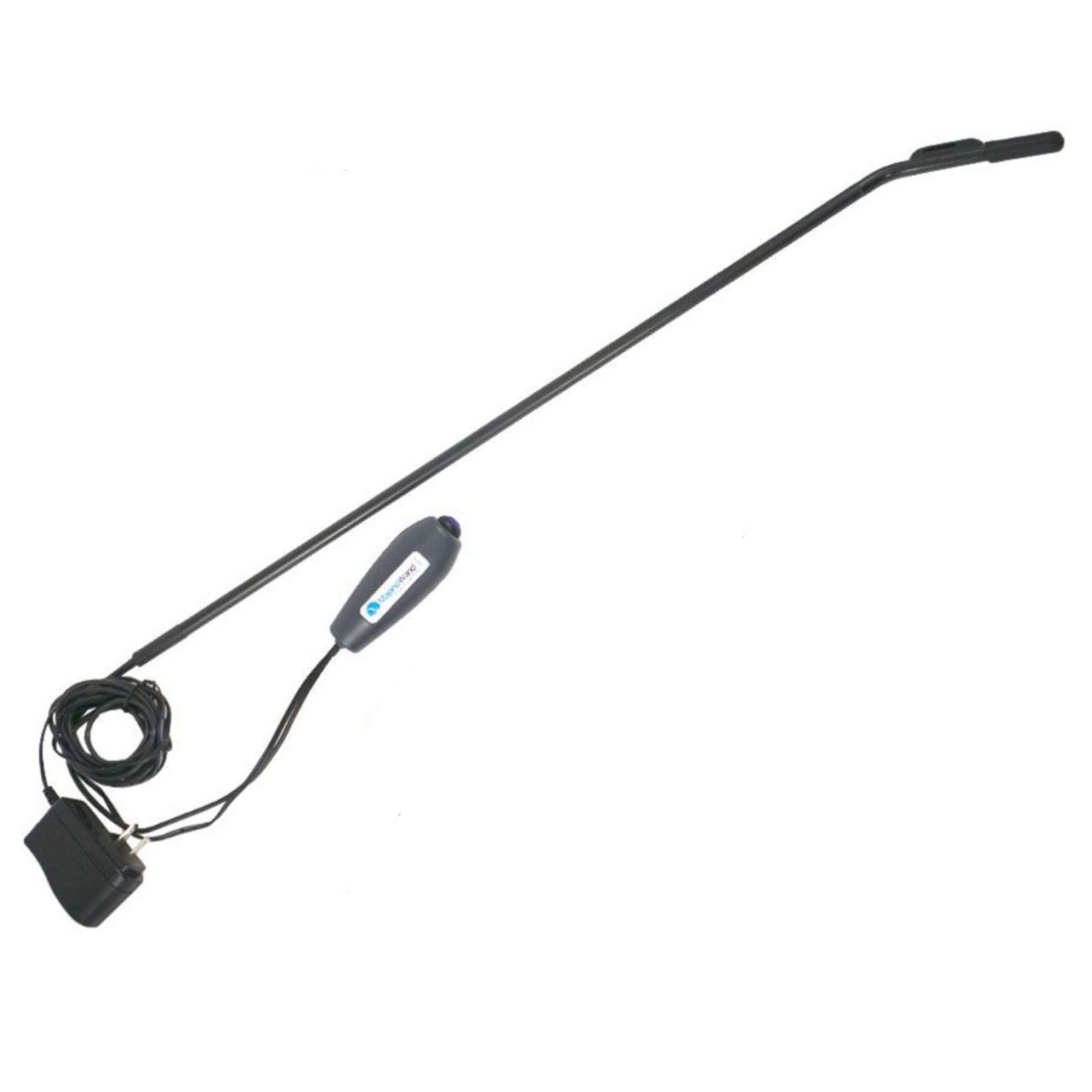
The Majano Wand is a specialized electrical device that uses electrolysis at the metal probe to destroy unwanted anemone tissue.
According to the product information, the wand operates on low voltage and uses the interaction between the probe and the saltwater environment to break down water molecules at the point of contact. This produces gases, including hydrogen and oxygen, which rapidly expand within the contacted anemone tissue and cause the tissue to break down and disintegrate.
The important part: the probe has to touch the Majano.
The Majano Wand does not simply sit in the aquarium and electrically shock everything in the tank.
Instead, the stainless-steel probe is brought directly into contact with the unwanted anemone. When the wand is activated while the probe is touching the Majano, the electrolysis process occurs at the probe.
The result is a very localized treatment that destroys the tissue contacted by the probe.
This makes the Majano Wand particularly useful for treating Majano anemones growing next to corals or hiding in difficult-to-reach areas.
What Happens When the Majano Wand Touches a Majano?
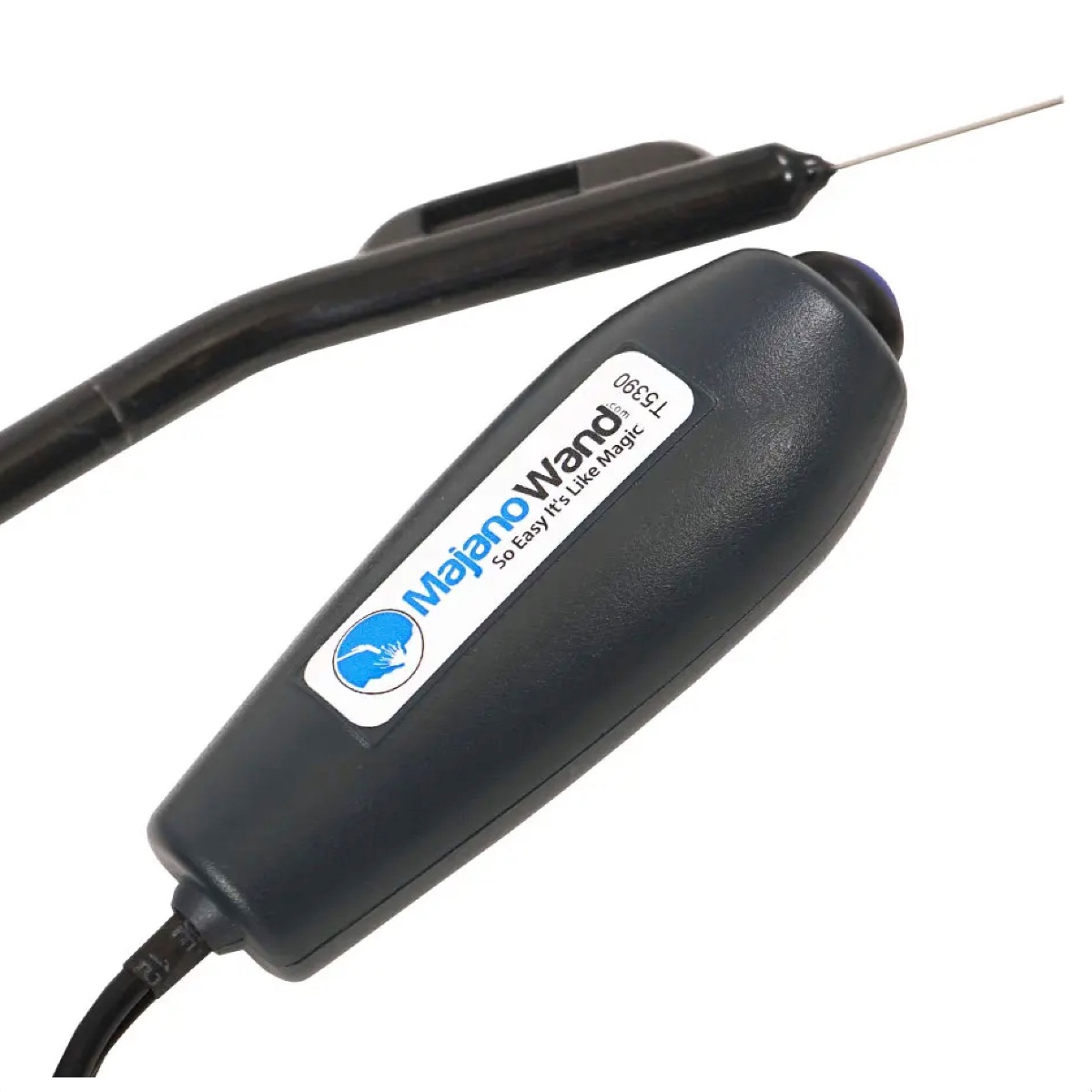
When the energized probe contacts the Majano anemone, the treatment begins immediately at the contact point.
The manufacturer describes the process as breaking down water molecules in the anemone's cells into hydrogen and oxygen. The resulting gas formation causes the cells to expand and rupture, causing the contacted anemone tissue to disintegrate.
As the treatment progresses, the Majano typically becomes visibly damaged, turning white and gooey as the tissue breaks down.
This visual change is useful because it helps the aquarist identify areas that have been treated and determine whether additional tissue remains alive.
If living tentacles or tissue remain, those areas should be treated according to the manufacturer's instructions. This is important because incomplete treatment can allow remaining tissue to recover and potentially regrow.
The Majano Wand Is Not an Electrical Shock Treatment
One of the biggest misconceptions about the Majano Wand is that it works by sending electricity through the aquarium water and electrically shocking the Majano.
That's not how the product is designed to work.
The wand uses a low-voltage electrical system to create an electrolysis reaction at the probe. The probe is placed directly against the unwanted anemone, and the reaction destroys the tissue at the point of contact.
The product information states that the wand operates on low voltage and is not intended to kill the anemone by electrocution.
This targeted design is one of the reasons the Majano Wand is so useful for reef aquarium pest control.
How to Use the Majano Wand to Remove Majano Anemones
Always read and follow the manufacturer's current instructions before operating the device.
The basic treatment process is straightforward.
1. Locate the Majano
Inspect your aquarium carefully and identify the unwanted Majano anemones.
Look closely around:
- Live rock
- Coral bases
- Frag plugs
- Rock crevices
- Behind coral colonies
- Areas with limited water movement
2. Prepare the Majano Wand
Uncoil the wand and connect the power supply according to the manufacturer's instructions.
Remove the protective cap from the probe before use.
Important: The push button and power adapter must remain out of the water. The probe and appropriate portions of the wand can be submerged as specified by the manufacturer.
3. Contact the Majano With the Probe
Place the metal probe directly against the Majano.
Activate the wand while the probe is touching the anemone.
The treatment only affects the tissue that comes into contact with the probe, so move the probe across the anemone to treat the entire animal.
4. Continue Treating the Anemone
The manufacturer's instructions indicate that several insertions or passes over the Majano may be necessary.
As the treatment progresses, the anemone should become visibly damaged and eventually appear white and gooey.
Pay particular attention to the base of the anemone.
If any living tentacles or tissue remain, continue treating those areas according to the instructions.
5. Remove the Dead Tissue
Once the Majano has been destroyed, remove the resulting dead tissue and debris from the aquarium.
Siphoning the material out during or after treatment can help keep the aquarium clean.
6. Inspect for Remaining Majanos
After treating the visible infestation, carefully inspect the aquarium again.
Majanos can hide in cracks and crevices, so finding every individual is an important part of long-term Majano anemone control.
Why the Majano Wand Is Different From Manual Removal
Trying to manually remove a Majano can be frustrating.
Majanos can retract into holes and crevices in live rock, making it difficult to reach the entire animal. Simply grabbing the visible portion may not eliminate the attached tissue.
The Majano Wand gives the aquarist a way to reach the anemone with a small, precise probe rather than removing or breaking apart the surrounding rockwork.
This is particularly useful when a Majano is growing:
- Deep inside a rock crevice
- Under an overhang
- Between coral colonies
- Behind aquarium rockwork
- Near a valuable coral
- In an area that is difficult to access by hand
The Standard Majano Wand is 25.5 inches long, while the Mini version is 5 inches long, providing options for different aquarium sizes and access requirements.
Majano Wand vs. Other Majano Removal Methods
There are many methods discussed by reef hobbyists for eliminating nuisance anemones.
Manual Removal
Physically scraping or pulling Majanos can be difficult because they can retract into rockwork and may be difficult to completely remove.
Kalkwasser Paste
Kalkwasser paste is sometimes used to treat nuisance anemones. However, it requires careful preparation and application, particularly around desirable corals.
Lemon Juice and Other DIY Treatments
Various household treatments are sometimes recommended online for nuisance anemones. These methods can be difficult to control and may introduce unwanted variables into a reef aquarium.
Majano Wand
The Majano Wand provides a purpose-built, targeted treatment using a probe that directly contacts the nuisance anemone.
For reef keepers who want a specialized tool for Majano anemone removal and Aiptasia control, the wand offers a precise alternative to many traditional treatment methods.
Treating Majanos in Difficult-to-Reach Areas
One of the biggest advantages of the Majano Wand is its ability to reach areas that can be difficult to access with other treatment methods.
Because the wand has a long probe and can be used in the aquarium as directed, reef keepers can reach into rockwork and other confined areas without having to completely rearrange the aquascape.
This is especially valuable in established reef tanks where removing large pieces of live rock could disturb corals, fish, invertebrates, and the overall aquascape.
An Important Tip: Treat the Entire Majano
When using the Majano Wand, remember that the probe only treats the tissue it contacts.
Don't simply touch the top of the anemone and assume the entire animal has been eliminated.
Work carefully across the visible tissue and pay particular attention to the base.
The manufacturer's instructions specifically warn that if the entire animal is not killed, it may regrow.
This makes thorough treatment particularly important when dealing with large Majano anemones or established Majano infestations.
How to Keep Your Reef Aquarium Majano-Free
Getting rid of existing Majanos is only part of the solution.
The best long-term strategy is to prevent new Majanos from entering your aquarium whenever possible.
Inspect New Corals
Before adding a coral frag to your display aquarium, carefully inspect the coral, plug, and surrounding areas for nuisance anemones.
Quarantine New Livestock
A quarantine system can provide an opportunity to identify and treat unwanted hitchhikers before they enter your main reef aquarium.
Inspect Live Rock
Look carefully through live rock for Majanos, Aiptasia, vermetid snails, and other unwanted reef aquarium pests.
Check Your Aquarium Regularly
Make pest inspection part of your normal aquarium maintenance routine.
The earlier you discover a Majano, the easier it is to eliminate.
Majano Anemone Control: Deal With the Problem Early
A single Majano may not seem like a major problem.
However, allowing nuisance anemones to establish themselves throughout a reef aquarium can make removal significantly more difficult.
Regular inspection and early intervention are the keys to effective Majano anemone control.
If you discover a Majano, don't wait until you have an infestation.
Target it while it is still small.
Why Reef Keepers Choose the Majano Wand
The Majano Wand was designed specifically to help aquarium hobbyists deal with nuisance anemones such as Majanos and Aiptasia.
Its biggest advantages include:
- Designed specifically for nuisance anemones
- Targeted treatment
- Low-voltage operation
- Long probe for difficult-to-reach areas
- No need to remove large pieces of rock
- Useful for individual Majanos or larger infestations
- Can also be used for Aiptasia
- Available in Mini and Standard sizes
The Standard model measures 25.5 inches, while the Mini model measures 5 inches. Both use a 12V/500mA output according to the listed product specifications.
Important Majano Wand Safety Information
The Majano Wand should always be used according to the manufacturer's instructions.
The probe is sharp enough to break skin, so use caution when handling it. The acrylic rod is also fragile and should not be bent.
Most importantly, keep the push button and power adapter out of the water.
The device also produces gases during operation, so aquarium volume and recommended operating times should be observed carefully. The published instructions provide maximum usage times based on aquarium volume and specify a waiting period before reuse.
Get Rid of Majano Anemones Before They Take Over Your Reef
Majano anemones don't have to become a permanent problem in your reef aquarium.
The Majano Wand provides a specialized way to target unwanted Majano and Aiptasia anemones directly at the source. Its electrolysis-based probe treatment works at the point of contact, rapidly destroying the contacted anemone tissue without relying on traditional chemical pastes or physically removing the surrounding rockwork.
Whether you have discovered your first Majano or are battling an established Majano anemone infestation, early treatment can make controlling these nuisance reef aquarium pests much easier.
Don't let Majanos take over your reef. Target them, eliminate them, and take back control of your aquarium with the Majano Wand.
Shop the Majano Wand
The Majano Wand Majano and Aiptasia Remover is available through Aquarium Specialty in both Mini and Standard sizes.
Shop the Majano Wand at Aquarium Specialty
August 25, 2026
|
View: 868
|
Categories: Care & Maintenance , Pests & Algae, home
|
By: <a class="mp-info" href="https://www.aquariumspecialty.com/blog/author/scott">Scott Groseclose</a>
|
Modify By: <a class="mp-info" href="https://www.aquariumspecialty.com/blog/author/aquariumspecialty">AquariumSpecialty</a> at August 25, 2026
About the Author

New BioTek Marine Frag Racks
May 6, 2014
Life in Bubbles: The Real Age of Clownfish
October 5, 2023
The Tiger Pistol Shrimp (Alpheus bellulus) For Your Aquarium
February 18, 2024