We use cookies to make your experience better. To comply with the new e-Privacy directive, we need to ask for your consent to set the cookies. Learn more.





The Ultimate Guide to Controlling Algae in Saltwater Aquariums (Without Ruining Your Reef)

If you’ve been in the saltwater aquarium (or freshwater aquarium) hobby long enough, chances are you’ve battled algae at some point. However, for the purpose of this article we will be discussing algae problems commonly found in saltwater aquariums and saltwater reef aquariums. Whether it’s green hair algae taking over your rockwork, brown diatoms covering the sand bed, or stubborn cyanobacteria spreading across the tank, algae outbreaks are one of the most frustrating challenges reef hobbyists face.
The good news? Algae is not the end of your reef tank.
In fact, nearly every successful reef aquarium goes through some form of algae phase. The key is understanding why algae appears, what fuels it, and how to control it without destabilizing the entire system.
At Aquarium Specialty, we believe long-term reef success comes from balance, consistency, and smart nutrient management — not quick chemical fixes that create even bigger problems later.
Why Algae Happens in Reef Tanks
Algae itself is not inherently bad. In nature, algae plays an important role in aquatic ecosystems. Problems begin when nutrients and environmental conditions allow nuisance algae to grow faster than your aquarium can naturally control it.
In most reef tanks, algae outbreaks are usually caused by a combination of:
- Excess nitrate and phosphate
- Overfeeding
- Weak filtration
- Poor water flow
- Inconsistent maintenance
- Aging light bulbs or excessive lighting
- Low-quality source water
- New tank instability
High nutrients combined with strong reef lighting often create the perfect environment for algae growth.
The Most Common Types of Aquarium Algae
Green Hair Algae


Green hair algae is one of the most common reef tank pests. It usually appears as soft green strands growing on rock, pumps, or overflow boxes.
This type of algae thrives in tanks with elevated nutrients and often becomes aggressive when maintenance routines slip or nutrient export is insufficient.
The challenge with hair algae is that even when water tests appear “normal,” the algae itself may already be consuming the available phosphate and nitrate, hiding the true nutrient load in the aquarium.
Cyanobacteria (“Red Slime”)
Despite its appearance, cyanobacteria are technically not algae. It’s a bacteria that forms slimy red, purple, or dark sheets across sand beds and rockwork.
Cyanobacteria often appears in:
- Low flow areas
- Nutrient-rich environments
- Immature aquariums
Poor circulation and excess organics are usually major contributors.
Diatoms
Brown diatoms are especially common in newer aquariums. They typically form dusty brown coatings on sand and glass.
While unsightly, diatoms are usually temporary and often fade as the aquarium matures and stabilizes.
Dinoflagellates
Dinoflagellates, commonly called “dinos,” are among the most difficult reef tank outbreaks to eliminate. These organisms can appear stringy, slimy, or bubble-covered and may become toxic to livestock in severe cases.
Unlike simple algae problems, dinos often require a more advanced nutrient-balancing approach.
The Biggest Mistake Reef Hobbyists Make
One of the most common mistakes aquarists make is trying to eliminate algae too quickly.
Many reef keepers immediately reach for harsh chemical treatments, blackout periods, or extreme nutrient stripping methods. While these approaches can sometimes reduce visible algae temporarily, they often destabilize the aquarium ecosystem and create additional problems later.
Long-term algae control is usually about correcting the root cause — not just killing what you can see.
How to Control Algae Naturally
1. Improve Nutrient Export
Excess nutrients are one of the primary drivers of nuisance algae.
Improving nutrient export can include:
- Running an efficient protein skimmer
- Increasing water changes
- Using phosphate-removal media
- Cleaning filter socks regularly
- Adding refugiums or macroalgae systems
- Using targeted algae treatment products and be sure they are safe for your tank inhabitants.
Strong nutrient management helps prevent algae from continuously returning.
2. Physically Remove Algae


6
Manual removal remains a somewhat effective algae-control method, however it's not the cure to the problem and over time every aquarists that I know will soon give into this constant and often losing battle.
Using siphon tubing, brushes, or tweezers to remove algae physically helps export trapped nutrients from the aquarium rather than simply allowing algae to decay inside the system.
Consistency matters more than aggression.
Small amounts removed regularly are often more effective than extreme “reset” attempts.
3. Increase Water Flow
Dead spots in aquariums can collect detritus and organic waste that feed algae growth.
Proper circulation:
- improves oxygenation
- suspends waste particles
- prevents buildup in low-flow zones
Strategically placed flow pumps can dramatically improve overall tank cleanliness.
4. Feed More Carefully
Overfeeding is one of the fastest ways to fuel algae growth.
Many reef aquariums simply receive more food than the biological filtration can process effectively.
Reducing excess feeding, rinsing frozen foods, and avoiding unnecessary additives can help lower nutrient accumulation over time.
5. Use High-Quality Source Water
Tap water often contains:
- phosphate
- silicates
- nitrate
These contaminants can directly fuel algae outbreaks.
RO/DI systems help provide cleaner water and reduce unwanted nutrient introduction into the aquarium. If you are serious abut having a pristine reef aquarium, then we highly recommend using RODI water for your aquarium!
Do Cleanup Crews Really Help?


Yes — but they are not magic solutions.
Cleanup crews can assist with algae management, especially:
- Turbo snails
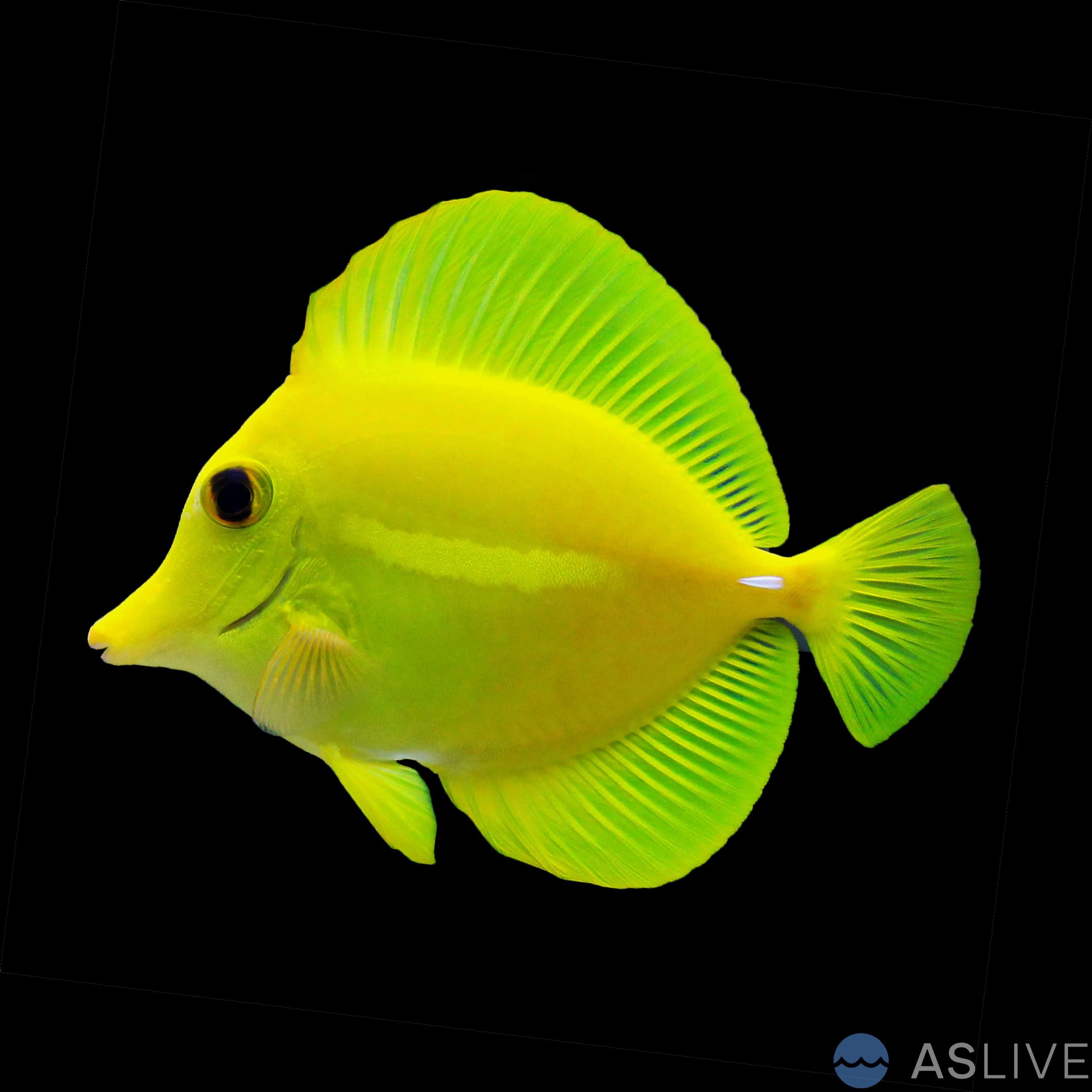
- Tangs
- Blennies
- Hermit crabs
- Sea urchins
Certain herbivorous fish can significantly reduce algae growth when combined with strong nutrient control.
However, cleanup crews alone rarely solve severe algae problems if nutrients remain excessive.
Why Stability Matters More Than Perfection
One of the most important lessons experienced reef keepers learn is that stability almost always wins.
Constantly changing:
- lighting schedules
- filtration methods
- nutrient levels
- chemical treatments
…can create instability that actually worsens algae outbreaks.
Successful reef systems are usually built on:
- patience
- consistency
- gradual corrections
- balanced nutrient management
Building a Long-Term Algae Prevention Strategy
Preventing algae long-term usually requires a complete ecosystem approach rather than relying on one single product or quick fix.
Healthy reef systems often share these traits:
- stable nutrient levels
- strong filtration
- consistent maintenance
- proper flow
- balanced feeding
- quality source water
When these fundamentals work together, algae becomes much easier to manage naturally.
Final Thoughts
Algae outbreaks can feel overwhelming, especially for newer reef hobbyists, but they are also one of the most common and manageable challenges in the hobby.
Rather than chasing shortcuts, focusing on nutrient control, consistency, and proper system balance typically produces the best long-term results.
At Aquarium Specialty, we believe reef keeping is about creating stable ecosystems that thrive over time — and strong algae management is an essential part of that process.
Whether you’re battling green hair algae, cyanobacteria, or persistent nutrient issues, patience and a balanced strategy will almost always outperform quick fixes in the long run.
May 29, 2026
|
View: 510
|
Categories: Pests & Algae, home, Beginners
|
By: <a class="mp-info" href="https://www.aquariumspecialty.com/blog/author/scott">Scott Groseclose</a>
|
Modify By: <a class="mp-info" href="https://www.aquariumspecialty.com/blog/author/aquariumspecialty">AquariumSpecialty</a> at May 29, 2026
About the Author

New BioTek Marine Frag Racks
May 6, 2014
Life in Bubbles: The Real Age of Clownfish
October 5, 2023
The Tiger Pistol Shrimp (Alpheus bellulus) For Your Aquarium
February 18, 2024