We use cookies to make your experience better. To comply with the new e-Privacy directive, we need to ask for your consent to set the cookies. Learn more.





Big vs Small Saltwater Fish: Which Is Best for Your Reef Tank?

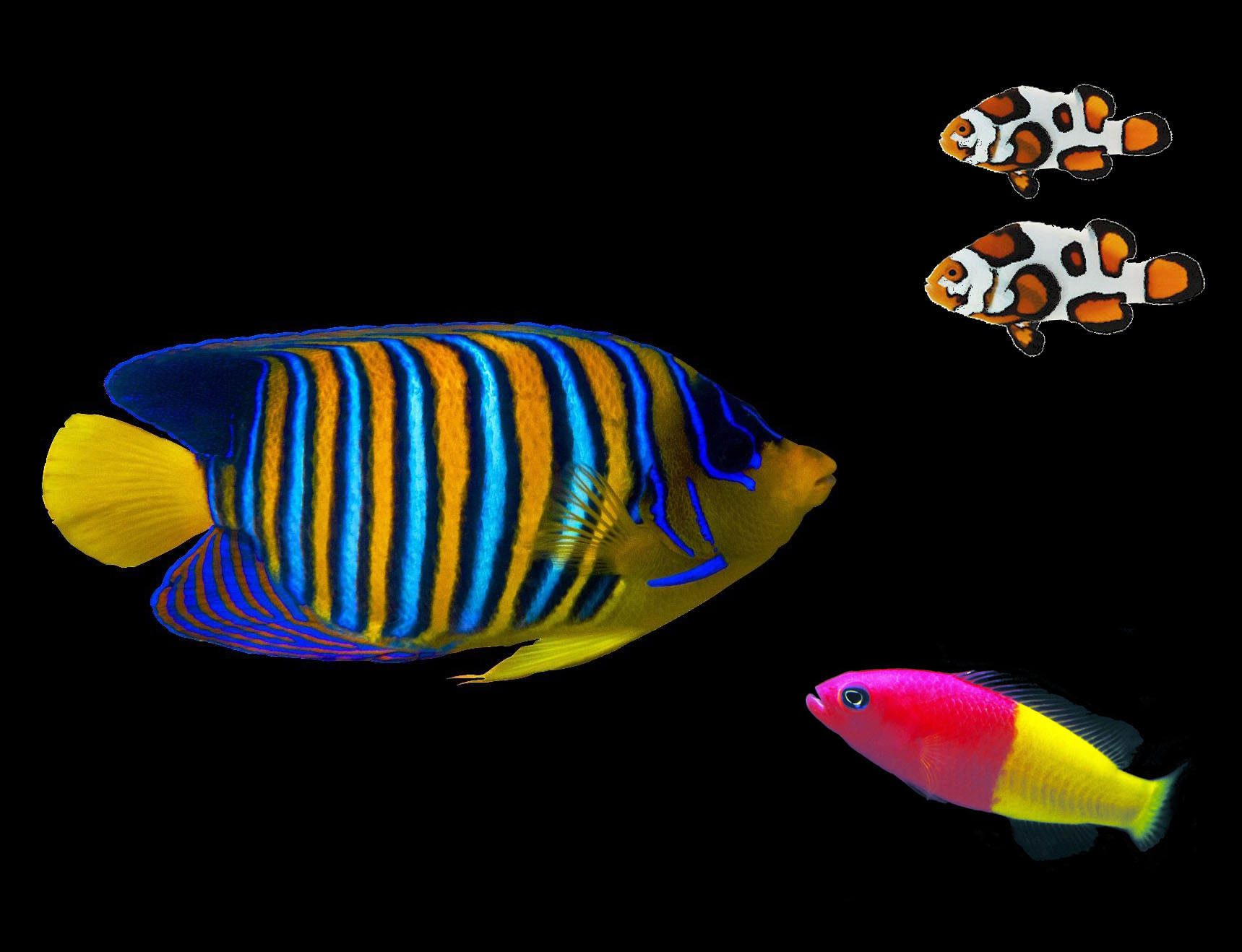
Choosing between big vs small saltwater fish is one of the most important decisions marine hobbyists face. The size of your fish impacts tank stability, compatibility, filtration requirements, and long-term success.
Whether you’re building a beginner reef system or a large marine display, understanding the pros and cons of large and small saltwater fish will help you make the right choice.
Why Fish Size Matters in a Saltwater Aquarium
Saltwater aquariums are more sensitive than freshwater systems. Bioload, aggression levels, and swimming space must all be carefully balanced.
The wrong fish size for your tank can lead to:
-
Aggression and territory fights
-
Increased nitrate levels
-
Poor overall water quality
-
Stressed or sick fish
-
Expensive mistakes
Let’s break down both options.
Small Saltwater Fish: Pros and Cons
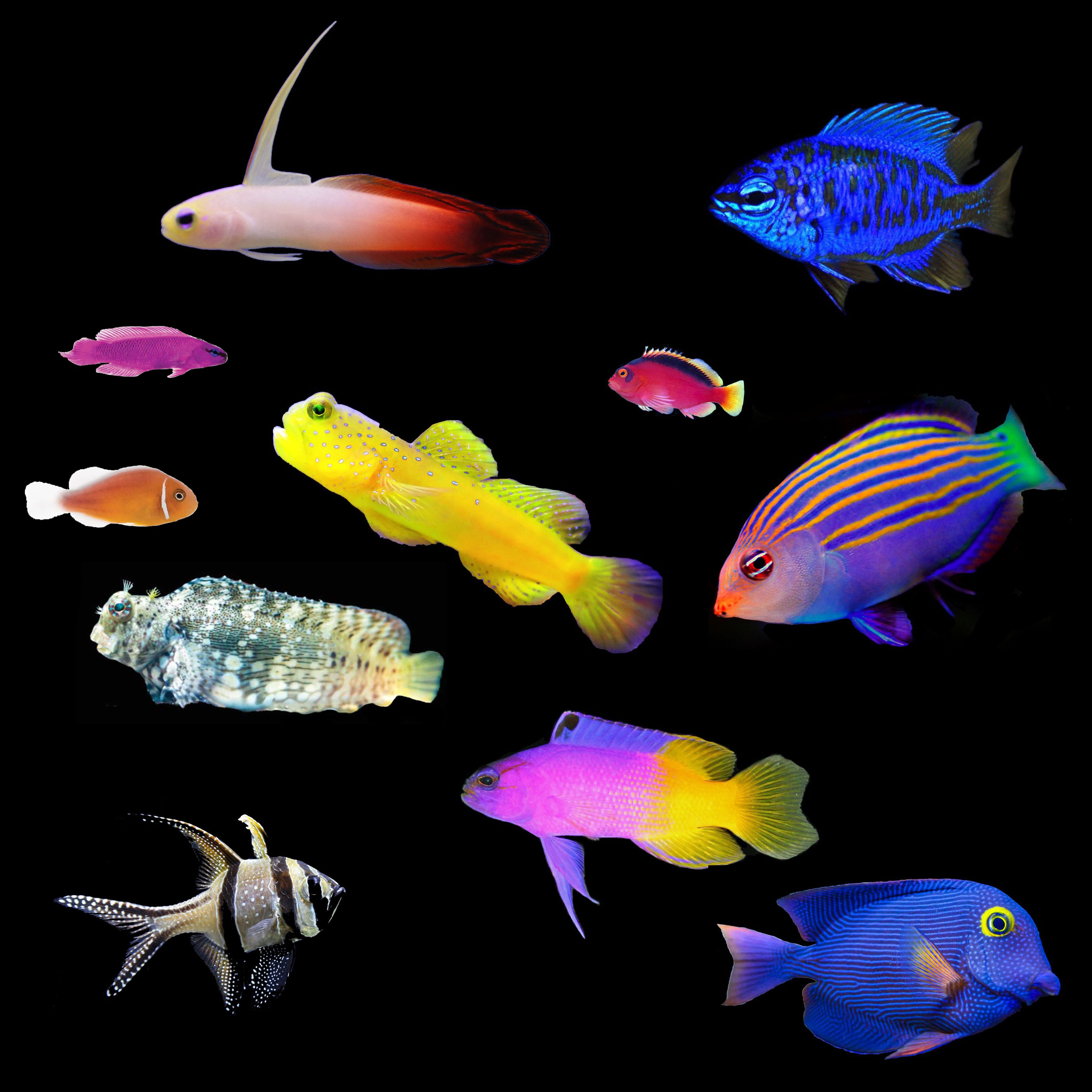
Small marine fish (typically 1–4 inches) are popular for reef tanks and beginner systems.
Common Small Saltwater Fish
-
Clownfish
-
Gobies
-
Blennies
-
Firefish
-
Royal Gramma
✅ Benefits of Small Saltwater Fish
1. Lower Bioload
Smaller fish produce less waste, helping maintain stable water parameters — especially important in tanks under 75 gallons.
2. Reef-Safe Compatibility
Many small species are reef-friendly and coexist peacefully with corals and invertebrates.
3. Easier for Beginners
They adapt well to smaller aquariums and require less swimming space.
4. Budget-Friendly Setup
You won’t need oversized filtration systems or extremely powerful circulation to support them.
❌ Drawbacks of Small Saltwater Fish
-
Less dramatic visual impact
-
Some species can hide frequently
-
Limited “centerpiece” presence
Big Saltwater Fish: Pros and Cons
Large saltwater fish (5+ inches) create a bold, striking display but require more planning.
Popular Large Saltwater Fish
-
Tangs
-
Angelfish
-
Triggerfish
-
Large Wrasses
-
Lionfish
✅ Benefits of Big Saltwater Fish
1. Stunning Visual Impact
Large marine fish instantly become the focal point of your tank.
2. Personality & Behavior
Bigger species often display more dynamic swimming and interaction patterns.
3. Showpiece Appeal
They create a “public aquarium” feel in home setups.
❌ Drawbacks of Big Saltwater Fish
1. Higher Bioload
Larger fish produce significantly more waste, requiring:
-
Strong protein skimmers
-
Efficient filtration
-
Stable water changes
2. Tank Size Requirements
Most large saltwater fish require 75 gallons minimum — many need 125+ gallons.
3. Increased Aggression
Large species can become territorial or bully smaller tank mates.
Big vs Small Saltwater Fish: Which Should You Choose?
The right choice depends on:
Tank Size
| Tank Size | Recommended Fish Type |
|---|---|
| 20–40 Gallons | Small Fish Only |
| 55–75 Gallons | Mostly Small, Some Medium |
| 125+ Gallons | Mix of Small & Large |
Experience Level
-
Beginner → Small saltwater fish
-
Intermediate → Mix of sizes
-
Advanced → Large showpiece species
Filtration & Equipment
If you plan on keeping larger marine fish, invest in:
-
High-performance protein skimmers
-
Strong LED reef lighting
-
Powerful wavemakers
-
Reliable test kits
Proper equipment supports higher bioload systems.
Best Setup Strategy for Most Hobbyists
For long-term success, many reef keepers in the USA follow this approach:
✔ Start with small reef-safe fish
✔ Allow tank to mature
✔ Gradually introduce larger centerpiece species
✔ Upgrade filtration as bioload increases
This creates stability and prevents costly mistakes.
Lighting Considerations for Big vs Small Saltwater Fish
While fish don’t require intense PAR like corals, lighting affects:
-
Visual appearance
-
Color vibrancy
-
Overall reef aesthetics
If keeping corals alongside fish, choose reef-optimized LED lighting designed for both coral growth and natural fish coloration.
Final Thoughts
The debate between big vs small saltwater fish ultimately comes down to tank size, experience level, and long-term goals.
Small fish are easier to manage, reef-safe, and ideal for beginners.
Large fish create bold displays but require more advanced filtration and larger aquariums.
By choosing the right size fish for your system — and pairing them with proper equipment — you’ll build a healthier, more stable marine environment.
Ready to Build Your Saltwater Setup?
Explore premium reef lighting, filtration systems, and marine essentials at AquariumSpecialty.com to support your saltwater aquarium the right way. At this time Aquarium Specailty offers captive bred fish, corals and invertebrates from ORA.
Frequently Asked Questions
What size saltwater fish is best for beginners?
Small saltwater fish like clownfish, gobies, and blennies are best for beginners because they produce less waste and adapt well to smaller reef tanks.
Can you mix big and small saltwater fish?
Yes, but only in larger aquariums (75+ gallons). Proper planning is required to avoid aggression and territorial issues.
Do large saltwater fish need bigger filtration?
Yes. Larger fish create higher bioload and require stronger protein skimmers, better filtration like filter socks, canister filters andor rollermats. Consistent water maintenance is necesssy when keeping more sensitive saltwater fish and invertebrates.
Are small saltwater fish reef safe?
Most small marine species are reef-safe and compatible with corals and invertebrates. Regardless of size, we recommend researching each and every fish before indiscriminately adding it to you main dispaly tank.
What tank size is needed for large saltwater fish?
Most large saltwater fish (4"+) require at least 75–125 gallons, depending on the species.
March 6, 2026
|
View: 405
|
Categories: Livestock, home, Beginners
|
By: <a class="mp-info" href="https://www.aquariumspecialty.com/blog/author/scott">Scott Groseclose</a>
|
Modify By: <a class="mp-info" href="https://www.aquariumspecialty.com/blog/author/aquariumspecialty">AquariumSpecialty</a> at March 9, 2026
About the Author

New BioTek Marine Frag Racks
May 6, 2014
Life in Bubbles: The Real Age of Clownfish
October 5, 2023
The Tiger Pistol Shrimp (Alpheus bellulus) For Your Aquarium
February 18, 2024