We use cookies to make your experience better. To comply with the new e-Privacy directive, we need to ask for your consent to set the cookies. Learn more.





SaltWater Fish Tank Setup Guide (Basic Beginner USA Guide)

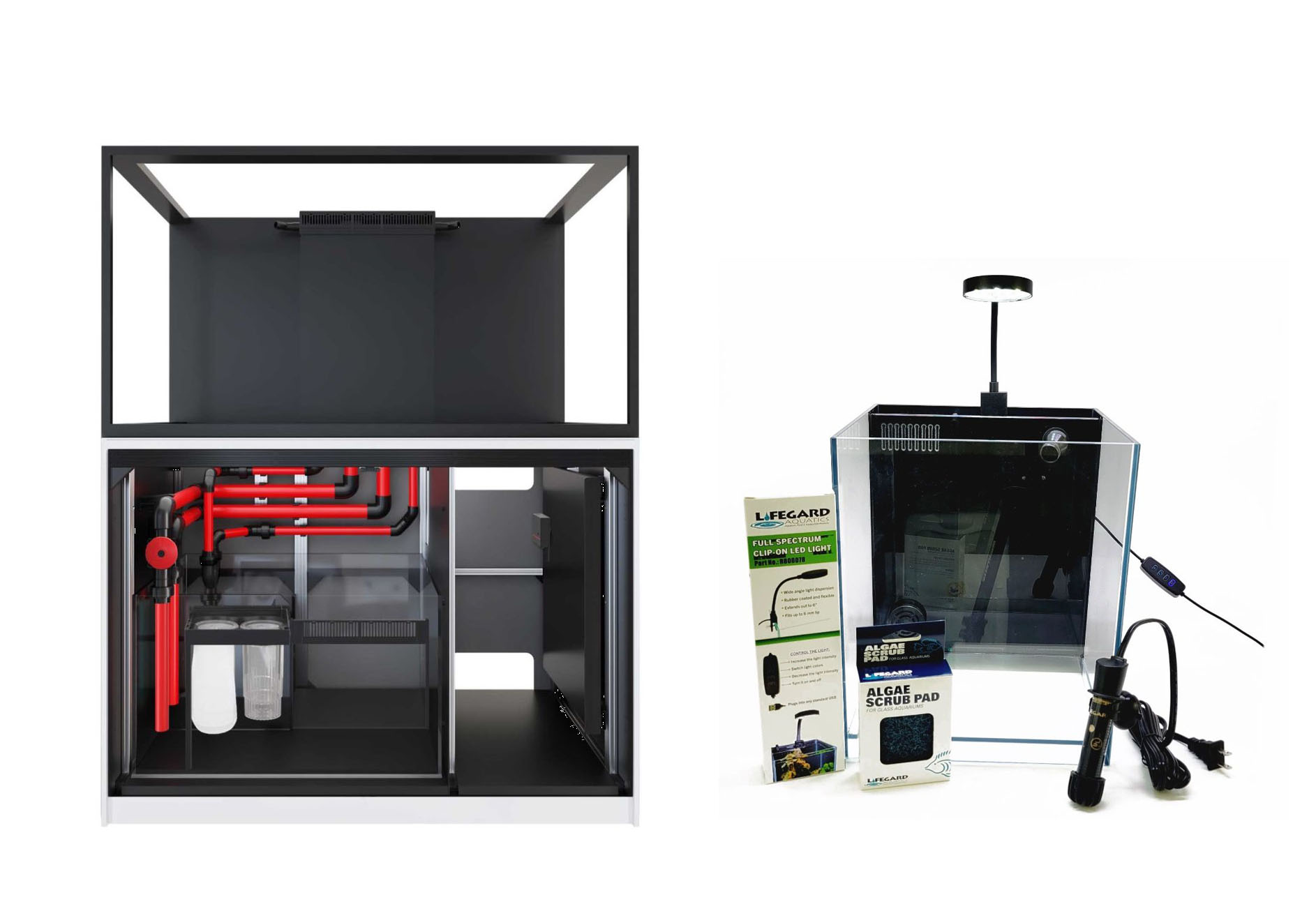
Setting up a saltwater fish tank is one of the most rewarding experiences in the aquarium hobby. From vibrant clownfish to stunning coral reefs, saltwater aquariums bring the beauty of the ocean into your home. However, marine tanks require proper planning, equipment, and maintenance. In this beginners guide, you’ll learn some of the basics to help you get started:
- What a salt water fish tank is
- Why saltwater systems differ From freshwater
- How to set up a marine aquarium properly
- Essential equipment you need
- Common beginner mistakes to avoid
Whether you're starting your first reef tank or upgrading your system, this beginner guide will help you build a stable and thriving marine aquarium.
What Is a Salt Water Fish Tank?
For those that are beginners, a salt water fish tank (also referred to as one of the following, marine aquarium, reef tank, fish only with live rock -FOWLR...) is a system that replicates ocean conditions using synthetic sea salt, or evaporated seawater salt, live rock, man-made rock or natural dry reef rock, filtration systems, and specialized lighting for growing corals and other heterotrophic invertebrates.
Unlike freshwater tanks, saltwater systems require:
-
Stable salinity levels
-
Strong biological filtration
-
Protein skimming
-
Reef-optimized lighting (if keeping corals)
Because marine environments are more sensitive, precision matters.
Why Choose a Salt Water Fish Tank?
Saltwater aquariums are popular because they offer:
???? Incredible Fish Coloration
Marine fish often display brighter, more exotic colors than freshwater species.
???? Live Coral Options
Reef tanks allow you to grow living corals, creating a dynamic ecosystem.
???? Unique Species Variety
From tangs and angelfish to gobies and wrasses, marine species offer unmatched diversity.
???? Natural Ocean Aesthetic
With proper lighting and aquascaping, you can replicate a slice of the ocean in your home.
How to Set Up a Salt Water Fish Tank (Step-by-Step)
1️⃣ Choose the Right Tank Size
Beginners often assume smaller tanks are easier — but in saltwater aquariums, larger tanks are more stable.
-
20–40 gallons: Beginner-friendly fish-only tank
-
55–75 gallons: Great for mixed reef
-
100+ gallons: Advanced reef systems
Larger tanks dilute mistakes and stabilize parameters.
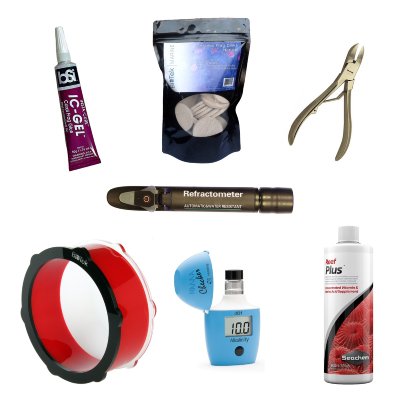
2️⃣ Essential Equipment for a Salt Water Fish Tank
Proper equipment determines long-term success.
✔ Protein Skimmer
Removes organic waste before it breaks down into harmful nitrates.
✔ Live Rock or Biological Media
Provides beneficial bacteria for the nitrogen cycle.
✔ High-Quality Salt Mix
Maintains proper salinity and trace elements.
✔ Reliable Heater & Thermometer
Marine tanks thrive between 76–80°F.
✔ Strong Circulation (Wavemakers)
Simulates natural ocean movement.
✔ Reef LED Lighting (If Keeping Corals)
Proper PAR and spectrum are essential for coral growth.
Investing in premium marine equipment reduces long-term problems.
3️⃣ Cycling the Tank
Before adding fish, your tank must cycle.
This process builds beneficial bacteria that convert:
Ammonia → Nitrite → Nitrate
Cycling typically takes 3–6 weeks.
Never rush this stage — it prevents fish loss and instability.
4️⃣ Adding Fish Gradually
Add fish slowly to avoid overwhelming your biological filtration.
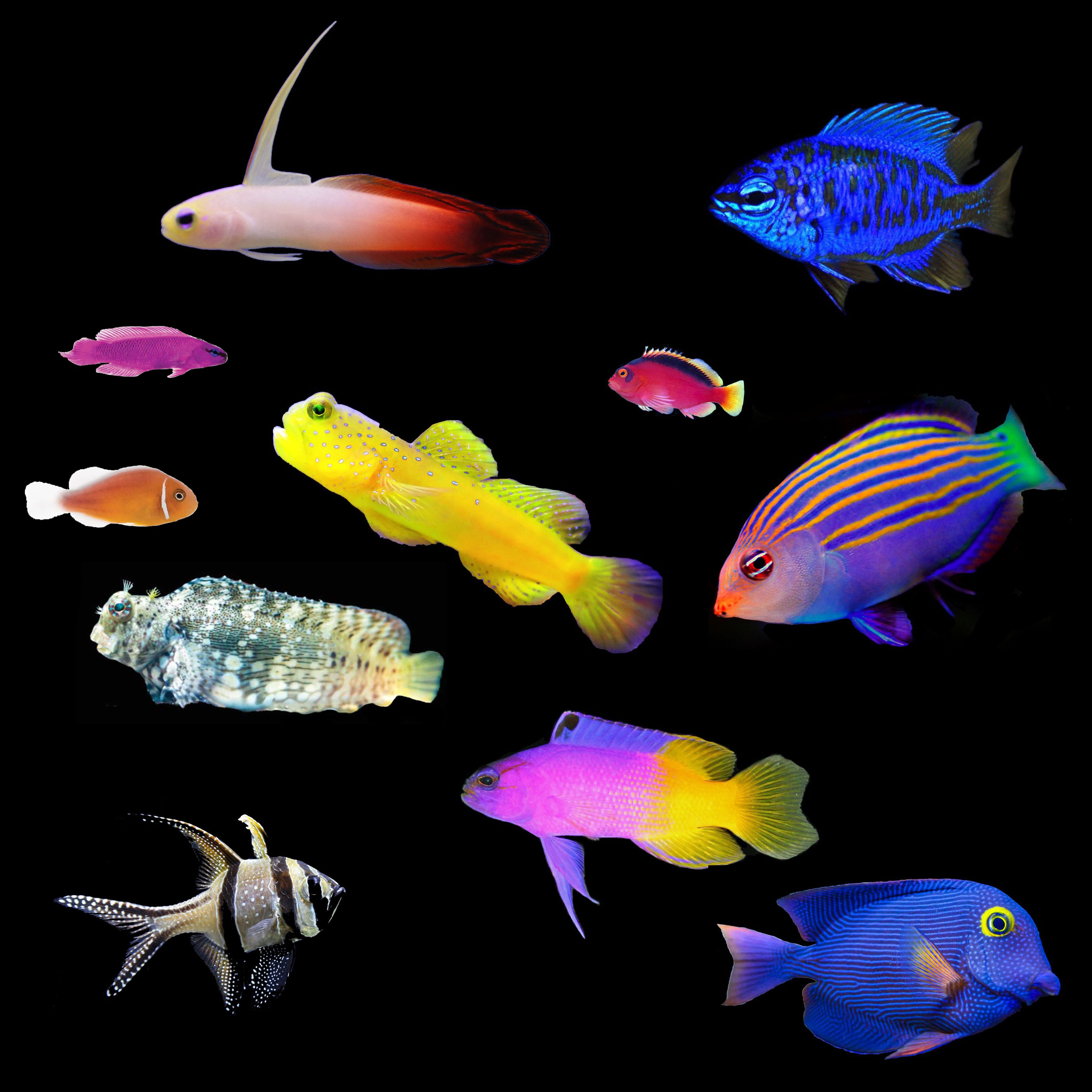
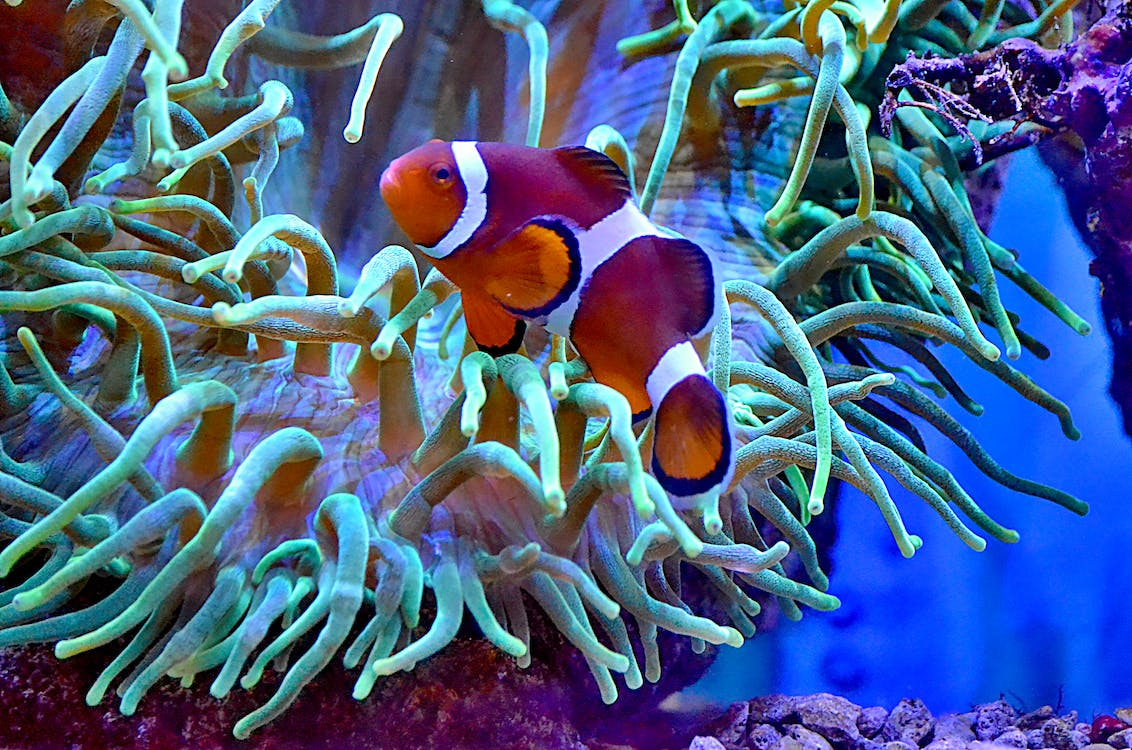
Start with hardy beginner-friendly species like:
-
Clownfish
-
Firefish
-
Royal Gramma
-
Gobies
Monitor water parameters weekly during the first few months.
Salt Water Fish Tank vs Freshwater Tank
| Feature | Salt Water | Freshwater |
|---|---|---|
| Maintenance | Moderate to High | Low to Moderate |
| Equipment Cost | Higher | Lower |
| Fish Coloration | Very Vibrant | Moderate |
| Coral Options | Yes | No |
| Stability Needs | More Precise | More Forgiving |
Saltwater tanks require more planning but offer greater visual impact.
Common Salt Water Fish Tank Mistakes
Avoid these common errors:
❌ Skipping protein skimmer
❌ Overstocking too quickly
❌ Ignoring salinity levels
❌ Using weak lighting for reef systems
❌ Inconsistent maintenance schedule
Consistency is key in marine aquariums.
Benefits of Investing in Quality Equipment
High-quality equipment results in:
✔ Stable water parameters
✔ Healthier fish
✔ Better coral growth
✔ Reduced algae outbreaks
✔ Lower long-term costs
A salt water fish tank is not just a hobby — it’s an ecosystem.
Is a Saltwater Fish Tank Right for You?
If you enjoy precision, vibrant marine life, and long-term ecosystem management, saltwater aquariums offer unmatched rewards.
They require commitment — but the results are stunning.
Final Thoughts
A properly set up saltwater fish tank can become the centerpiece of your home or office. With the right equipment, lighting, and maintenance routine, you can create a thriving marine environment that lasts for years.
If you're ready to start or upgrade your marine aquarium, explore premium reef lighting, protein skimmers, wavemakers, and saltwater essentials to build a stable system From day one.
Frequently Asked Questions
How much does it cost to set up a saltwater fish tank?
A basic saltwater fish tank setup can cost $500–$1,500 depending on tank size, lighting, and filtration quality.
Is a saltwater fish tank hard to maintain?
Saltwater tanks require more precision than freshwater, but with proper equipment and routine maintenance, they become stable and manageable.
What size saltwater fish tank is best for beginners?
A 40–75 gallon tank is ideal because larger water volume helps maintain stable parameters.
How long does it take to cycle a saltwater tank?
Typically 3–6 weeks, depending on live rock and bacteria introduction methods.
Do salt water fish need special lighting?
Fish-only systems need moderate lighting. Reef tanks require high PAR reef-optimized LED lighting.
March 8, 2026
|
View: 459
|
Categories: home, Lighting, Beginners
|
By: <a class="mp-info" href="https://www.aquariumspecialty.com/blog/author/scott">Scott Groseclose</a>
|
Modify By: <a class="mp-info" href="https://www.aquariumspecialty.com/blog/author/aquariumspecialty">AquariumSpecialty</a> at March 9, 2026
About the Author


New BioTek Marine Frag Racks
May 6, 2014
Life in Bubbles: The Real Age of Clownfish
October 5, 2023
The Tiger Pistol Shrimp (Alpheus bellulus) For Your Aquarium
February 18, 2024