We use cookies to make your experience better. To comply with the new e-Privacy directive, we need to ask for your consent to set the cookies. Learn more.






Fish Tank Filter Guide: What It Is, Why It Matters & Types of Filtration Explained

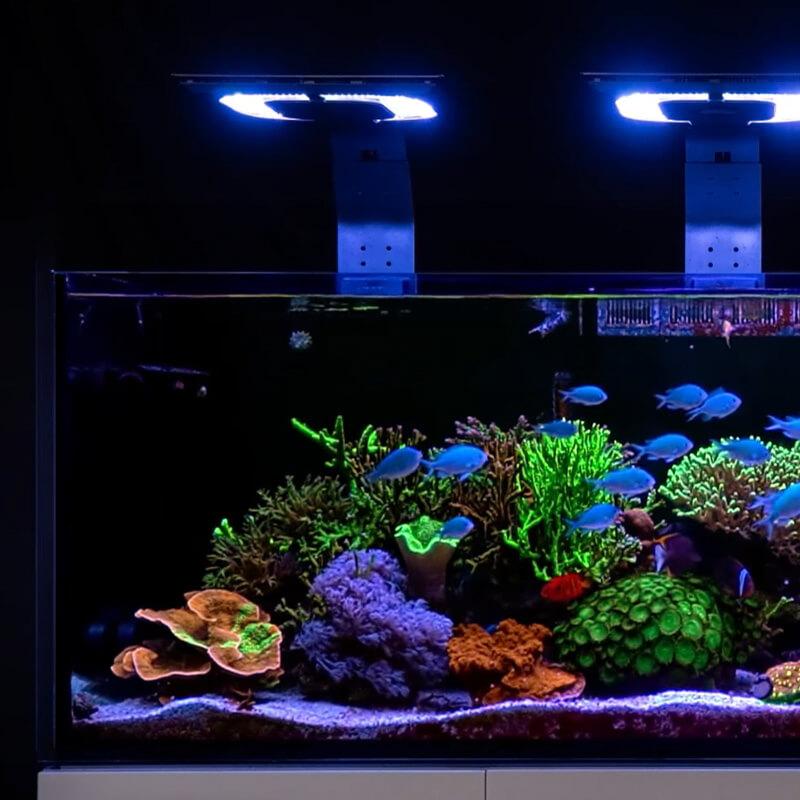
A fish tank filter is one of the most essential components of any aquarium. Whether you’re maintaining a freshwater setup or a reef system, the right filtration ensures clean water, healthy fish, and long-term stability.
In this guide, you’ll learn:
- What a fish tank filter is
- Why filtration is critical
- Key benefits of proper filtration
- The 3 main types: Mechanical, Chemical, and Biological filtration
What Is a Fish Tank Filter?
A fish tank filter is a system that removes waste, toxins, and impurities From your aquarium water while maintaining a balanced ecosystem.
It works by continuously circulating water through different filtration stages, ensuring your tank remains clean, oxygenated, and safe for aquatic life.
Without proper filtration, harmful substances like ammonia and nitrites can quickly build up, leading to unhealthy conditions.
Why Is Filtration Important in an Aquarium?
Aquariums are closed environments. Unlike natural bodies of water, waste does not naturally disperse.
Filtration helps:
✔ Remove Fish Waste & Debris
Uneaten food, fish waste, and plant matter accumulate quickly.
✔ Maintain Water Chemistry
Filtration stabilizes ammonia, nitrite, and nitrate levels.
✔ Improve Oxygenation
Water movement increases oxygen exchange, supporting fish health.
✔ Prevent Algae Growth
Cleaner water reduces excess nutrients that cause algae blooms.
Benefits of Using a Fish Tank Filter
A high-quality filtration system provides:
✔ Crystal-clear water
✔ Healthier fish and plants
✔ Reduced maintenance frequency
✔ Stable ecosystem balance
✔ Better biological activity
✔ Improved overall tank appearance
Proper filtration is not just optional — it’s essential for long-term success.
The 3 Types of Aquarium Filtration
Understanding filtration types helps you choose the right system and optimize your setup.
1. Mechanical Filtration (Physical Cleaning)
Mechanical filtration removes visible particles From the water.
How It Works:
Water passes through filter media like:
- Filter pads
- Sponges
- Filter socks
These trap:
- Fish waste
- Uneaten food
- Debris
Benefits:
✔ Immediate water clarity
✔ Prevents buildup of waste
✔ Protects other filtration stages
???? Mechanical filtration is your first line of defense.
2. Chemical Filtration (Removing Impurities)
Chemical filtration removes dissolved contaminants that mechanical filters cannot capture.
Common Media:
- Activated carbon - Examples Quantum US, Red Sea, Two Little Fishes
- GFO (Granular Ferric Oxide) - Examples Rowaphos, Phosban
- Resins - Examples Chemi-Pure
What It Removes:
- Toxins
- Odors
- Discoloration
- Harmful chemicals
Benefits:
✔ Crystal-clear water
✔ Eliminates unwanted substances
✔ Improves water quality
Ideal for reef tanks and advanced systems.
3. Biological Filtration (The Most Important Stage)
Biological filtration supports beneficial bacteria that break down harmful waste.
How It Works:
Bacteria convert:
Ammonia → Nitrite → Nitrate
This process is called the nitrogen cycle.
Common Media:
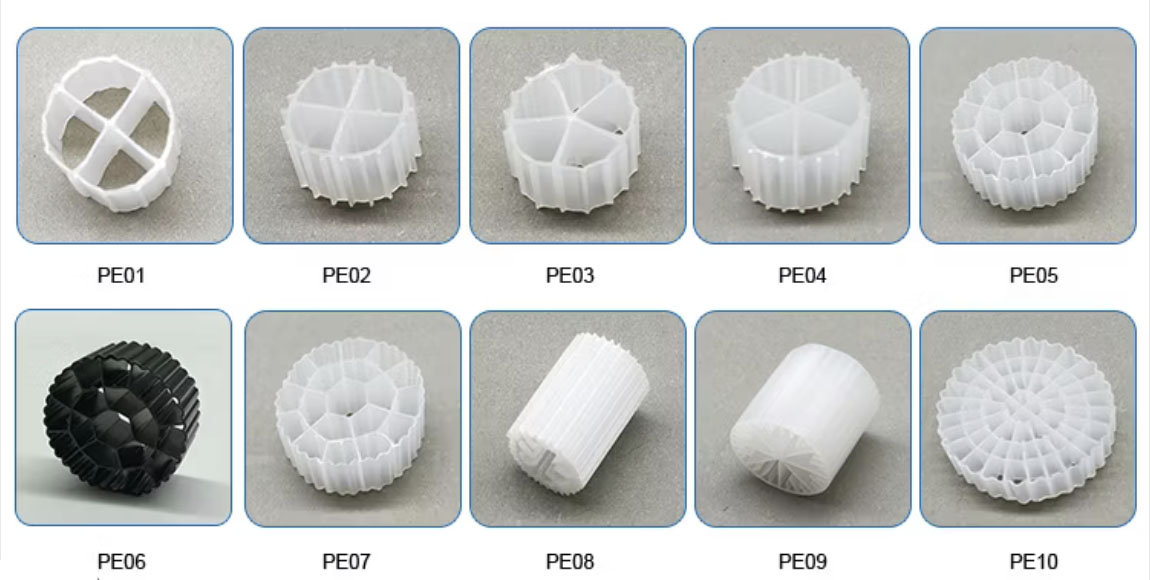
- Kaldnes media
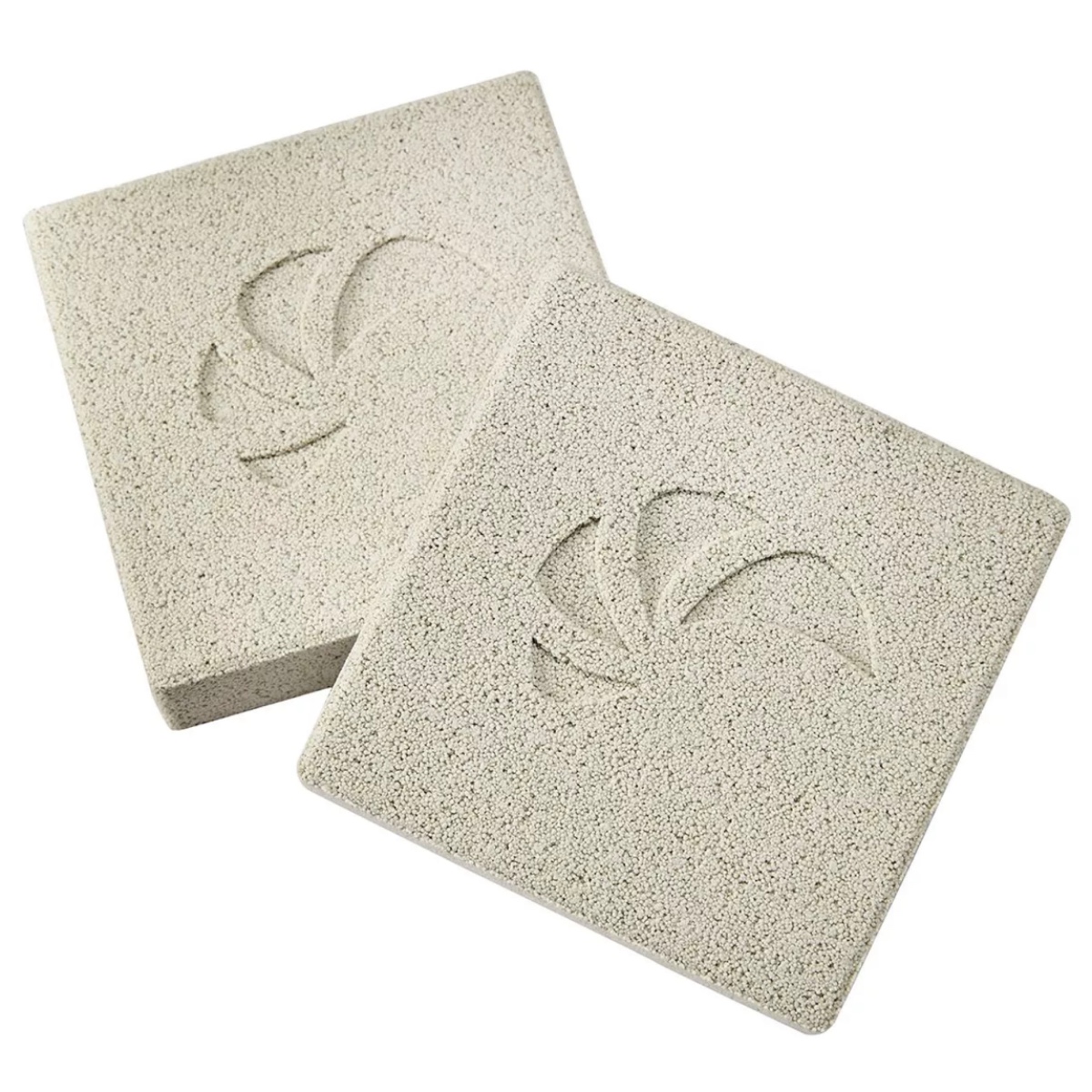
- Ceramic media - PolypLabs, Cermedia, Maxspect (pictured below)
- Live rock & Man-Made Rock
Benefits:
✔ Maintains safe water chemistry
✔ Supports long-term stability
✔ Essential for fish survival
How These Filtration Types Work Together
A proper filter system combines all three stages:
- Mechanical → removes debris
- Biological → processes waste
- Chemical → polishes water
Together, they create a balanced and healthy environment.
Choosing the Right Fish Tank Filter
Your ideal filter depends on:
Tank Size
Larger tanks require stronger filtration systems.
Type of Aquarium
- Freshwater → moderate filtration - common filter types - canister filters, filter media (carbon), resin media
- Reef tanks → advanced multi-stage filtration - common filter types: protein skimmers, canister filters, roller-mats, filter socks,
Bioload
More fish = more waste = stronger filtration needed.
Common Types of Aquarium Filters
Depending on your setup, you can choose From:
✔ Hang-on-back (HOB) filters
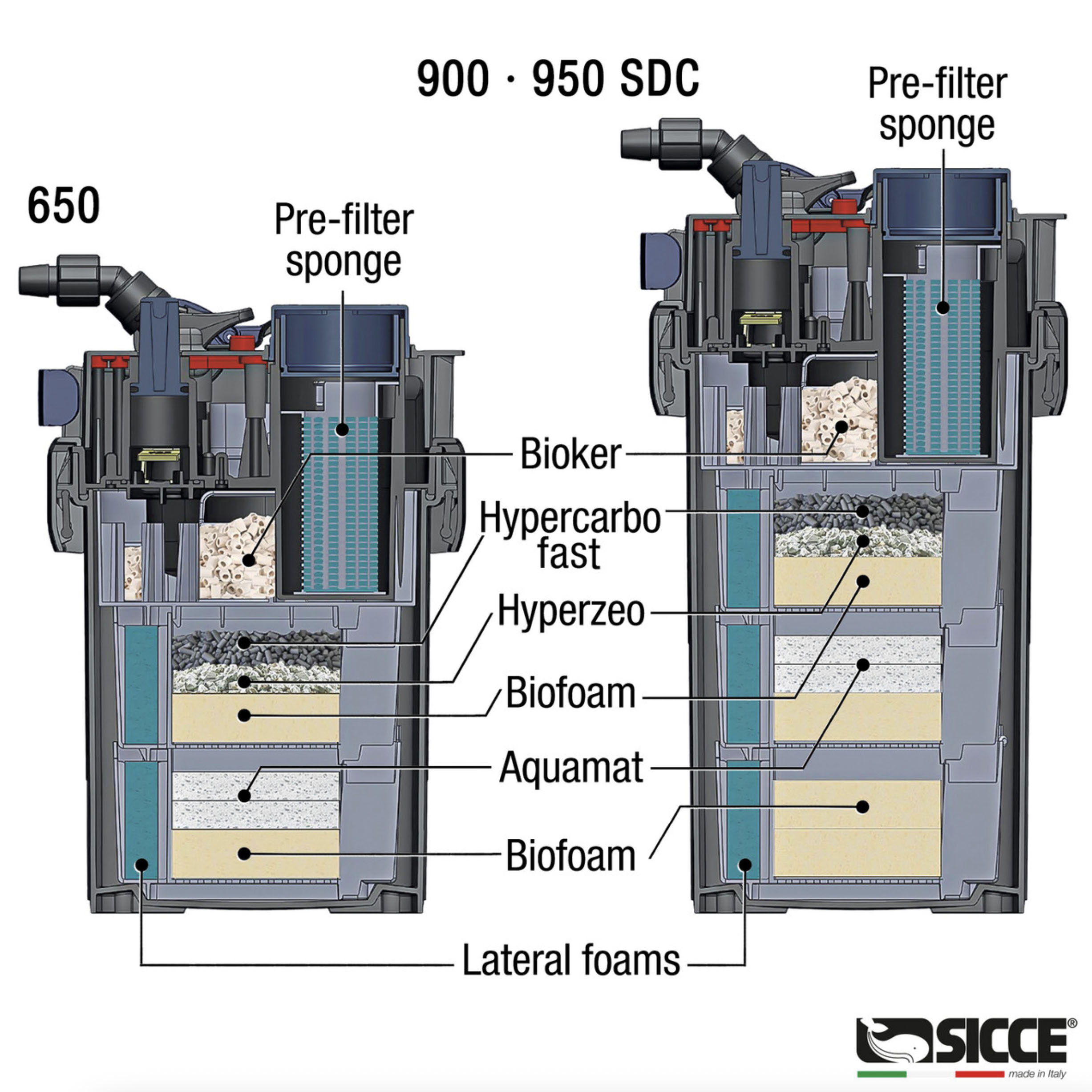
✔ Canister filters like the Sicce Mega Canister Filter pictured below
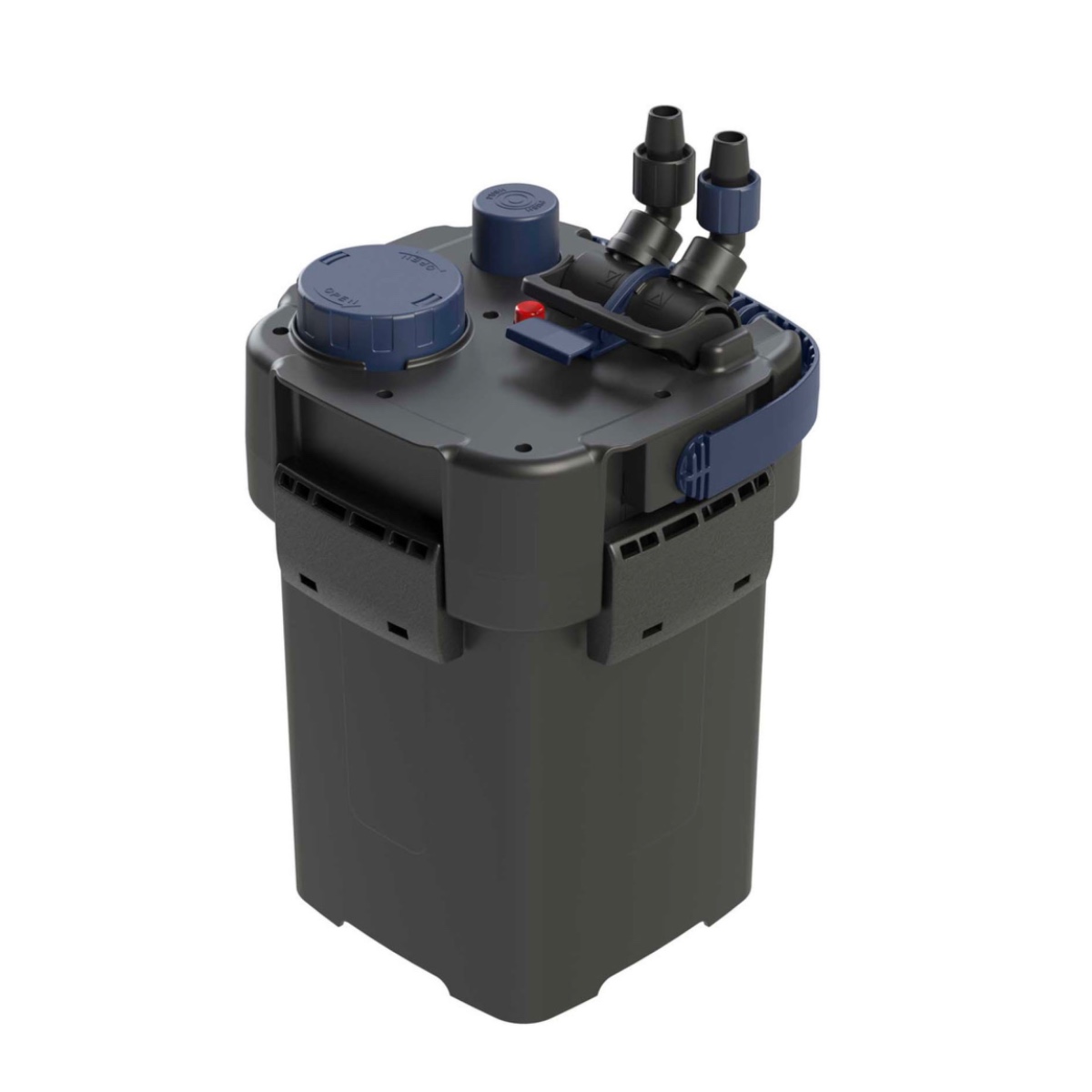
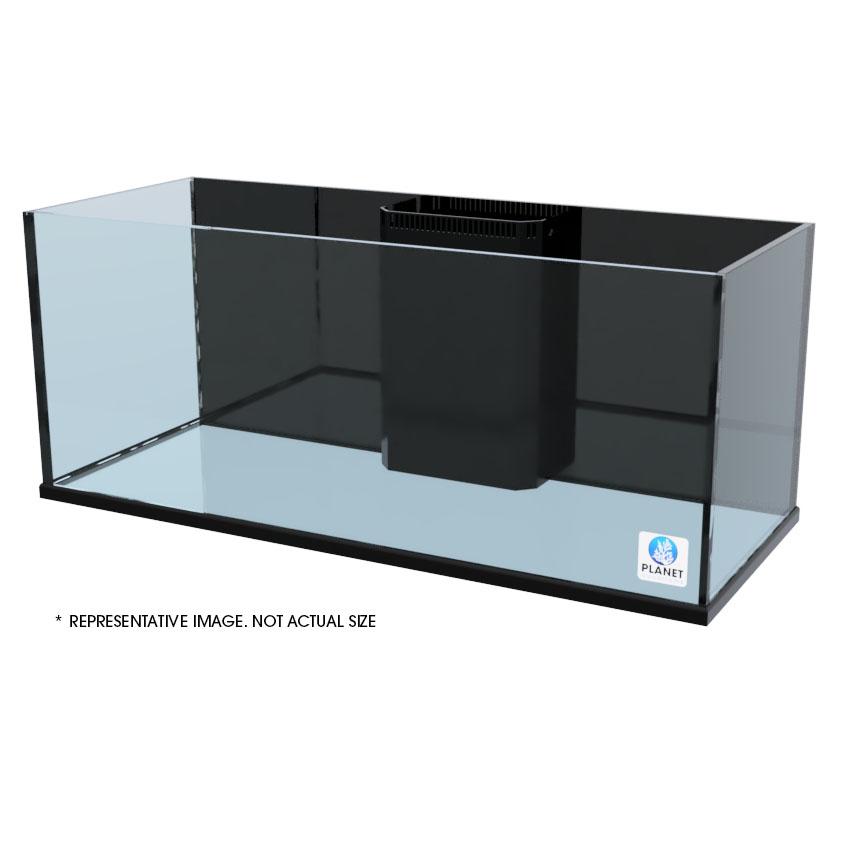
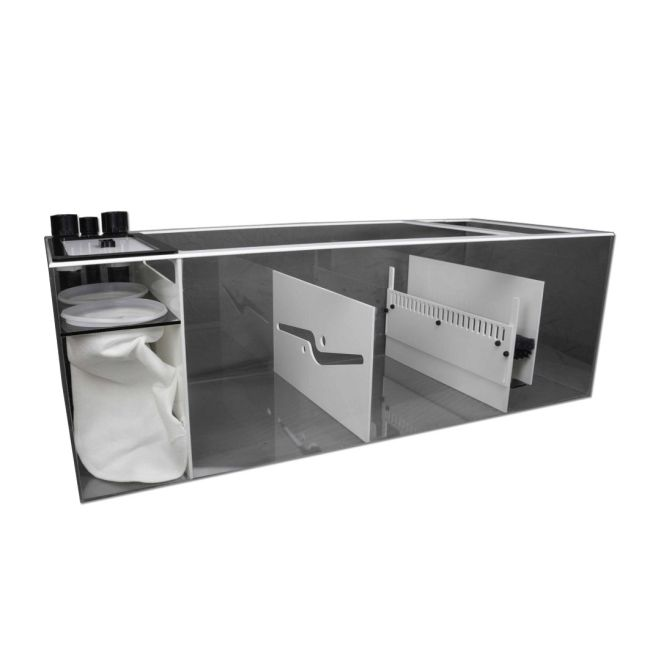
✔ Sump filtration systems - more commonly used with saltwater aquariums
✔ Internal filters
Each offers different levels of filtration capacity and flexibility.
Common Filtration Mistakes to Avoid
❌ Overcleaning biological media
❌ Using undersized filters
❌ Skipping chemical filtration (when needed)
❌ Not replacing filter media regularly
❌ Overstocking fish
Avoiding these mistakes ensures long-term success.
Final Thoughts
A fish tank filter is the foundation of a healthy aquarium. By combining mechanical, chemical, and biological filtration, you create a system that keeps your water clean, stable, and safe for aquatic life.
Whether you’re a beginner or an advanced hobbyist, investing in the right filtration setup will improve:
- Fish health
- Water clarity
- Overall tank performance
If you’re upgrading your aquarium, explore high-quality filtration systems designed for both freshwater and reef tanks to achieve the best results.
April 10, 2026
|
View: 907
|
Categories: Filtration, home, Beginners
|
By: <a class="mp-info" href="https://www.aquariumspecialty.com/blog/author/scott">Scott Groseclose</a>
|
Modify By: <a class="mp-info" href="https://www.aquariumspecialty.com/blog/author/aquariumspecialty">AquariumSpecialty</a> at April 10, 2026
About the Author

New BioTek Marine Frag Racks
May 6, 2014
Life in Bubbles: The Real Age of Clownfish
October 5, 2023
The Tiger Pistol Shrimp (Alpheus bellulus) For Your Aquarium
February 18, 2024
Clownfish and Temperature: Finding the Sweet Spot
October 5, 2023